

To plan a trip to Tanzania, you need to make seven decisions:
- what you want to see;
- when to go;
- how many days you have;
- how much you want to spend;
- whether to use a local tour operator or go it alone;
- entry requirements;
- flights.
The first four factors determine your itinerary, while the other three are practical matters that need to be taken care of well in advance. This guide addresses them in the right order, offering an honest answer to the question many people ask: Can you go on a DIY safari in Tanzania? In short, yes, but it’s much less cost-effective than you might think, and it’s prohibited on Kilimanjaro.
1. Decide what you want to see
Tanzania offers four main experiences, which can be combined:
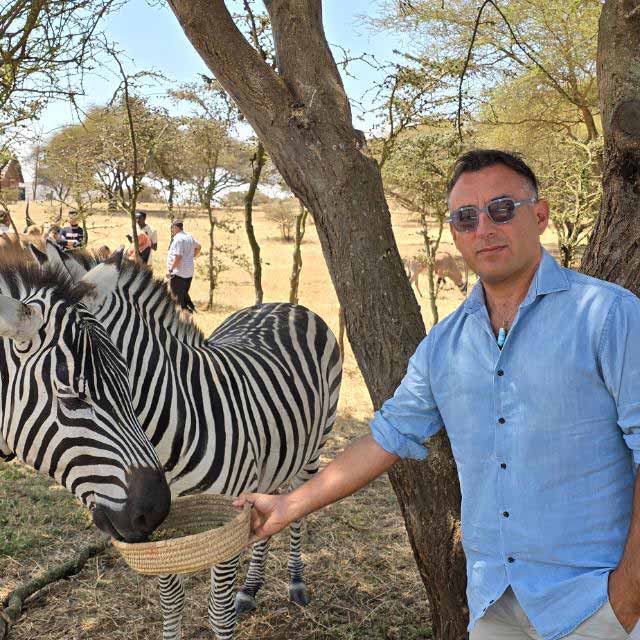
- Safaris in the North. This is the most famous route: Tarangire, Lake Manyara, the Ngorongoro Crater, and the Serengeti, featuring the Great Migration and the Big Five. For a first-time trip, it’s almost always the right choice.
- Southern safaris. Ruaha and Nyerere (Selous) are vast, less-visited parks where you can also go on walking and boat safaris.
- Mount Kilimanjaro. Africa’s highest peak can be reached in a 6–8-day trek; no mountaineering skills are required, but you’ll need to be in good physical shape.
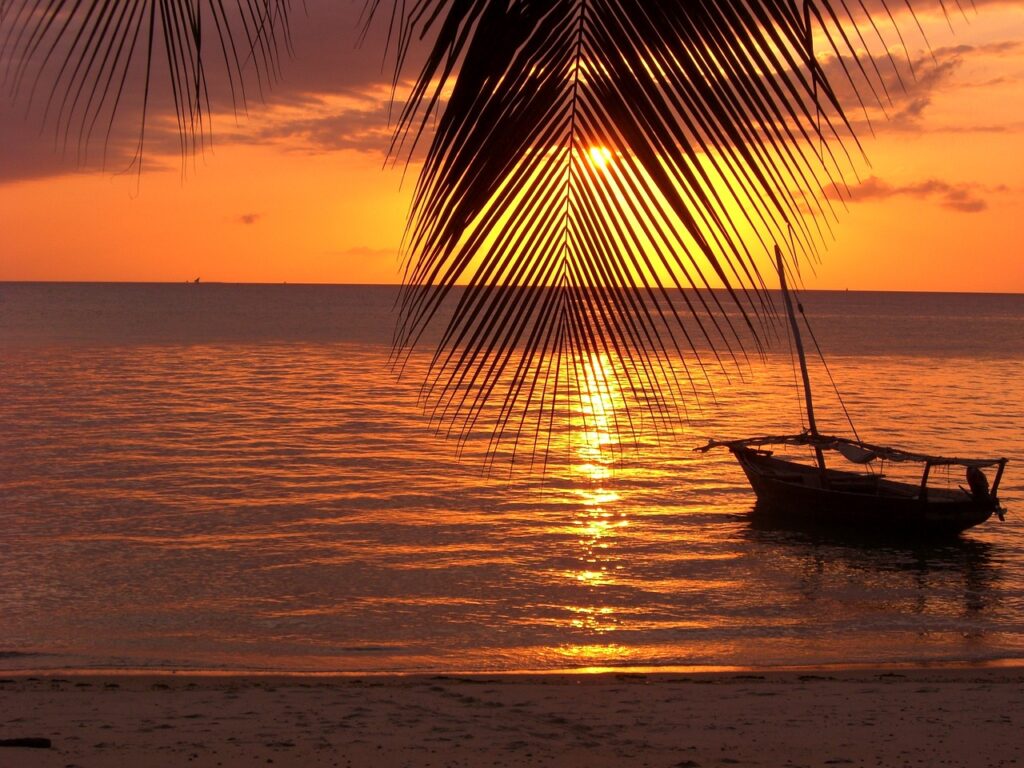
- The coast. Zanzibar, with Stone Town and its coral beaches, and the lesser-known islands of Pemba and Mafia.
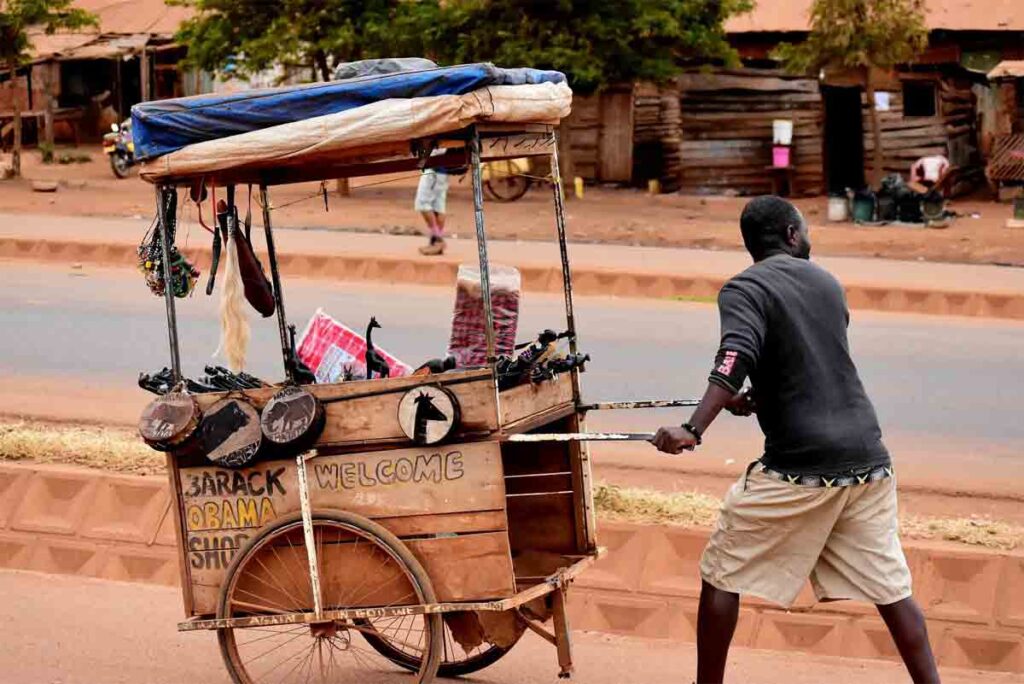
In addition to these, there are opportunities to experience local cultures, such as the Maasai villages or the Hadzabe people of Lake Eyasi. The most important destinations are listed in our guide on what to see in Tanzania.
2. Choose your travel dates
In Tanzania, there are two dry seasons and two rainy seasons:
- June–October: dry season and peak season. This is the ideal time for safaris, because the grass is short and the animals gather near the water. From July through September, the migration crosses the Mara River in the northern Serengeti.
- November–December: Short rains arrive, usually in the form of afternoon downpours. This is a good time to travel, with fewer crowds.
- January–February: This is the short dry season. It’s the time when wildebeests give birth in the southern Serengeti, with many predators present, and it’s also an excellent time for beach vacations.
- March–May: These are the months of the long rains and the off-season. Prices are lower, the landscapes are lush and green, and some roads can be difficult to navigate. Many accommodations in Zanzibar close in April and May.
There’s no single “best” month—it depends on what you want to see. The complete calendar is in our guide on when to visit Tanzania, and the herds’ movements month by month are detailed in the article on the Great Migration.
3. How Many Days Do You Need: Three Sample Itineraries
| Duration | Sample Itinerary | For whom |
|---|---|---|
| 7–8 days | Arrive in Arusha. Then Tarangire (1 day), Serengeti (2–3 nights), Ngorongoro Crater (1 day), and return | For those who have a week and want to see the must-see parks |
| 10–12 days | The same safari plus 4–5 days at the beach in Zanzibar, with a domestic flight from Arusha | The most popular combination, also ideal for a honeymoon |
| 14–16 days | Safari plus trekking on Kilimanjaro (6–7 days), or safaris in the north and south plus a beach vacation | For those who have time and want a comprehensive trip |
One piece of advice that’s worth more than all the rest: don’t try to cram too many stops into a short period of time. You’ll be traveling on dirt roads between parks, and 150 km can take half a day. In the Serengeti, it’s best to stay at least two nights. Concrete examples of how to combine the savanna and the ocean can be found in our safari packages that include a beach extension, while those who want to climb a mountain will find an example in the Kilimanjaro trek combined with a safari.
4. Set your budget
Tanzania is not a budget destination. Park fees are among the highest in Africa: in the Serengeti, the entrance fee exceeds 80 USD per person per day, plus a fee for each night spent inside the park. In the Ngorongoro Crater, you pay $295 for each vehicle that enters. As a rough estimate, for an 8–10-day trip per person, excluding international flights, you can expect to spend:
- camping safaris or stays at simple lodges: 1,800–2,500 €;
- private safaris at mid-range lodges and tented camps: 3,000–4,500 €;
- luxury safaris: 6,000 € and up.
The flight from Italy generally costs 700–1,200 €. A detailed breakdown, with a sample estimate, can be found in our guide on how much a safari in Tanzania costs.
5. DIY or tour operator?
This is the question that divides people the most. The honest answer depends on what you want to do:
| What | Do-it-yourself? | Notes |
|---|---|---|
| Zanzibar and the Sea | Yes, easily | You can easily book hotels, transfers, and excursions on your own |
| International Flights | Yes | You can book them on your own or as part of a package |
| Safaris in the Parks | Possible, but not recommended on your first trip | You can rent a 4×4, but the park fees are the same, and you won’t have the benefit of an experienced guide or assistance in case of a breakdown |
| Kilimanjaro | No | By law, the trek requires an authorized guide and a licensed tour operator |
DIY Safari: What You Need to Know
If you’re planning your own trip, there are several things to consider:
- The vehicle: You’ll need to rent a suitable off-road vehicle, often with a roof tent. It costs 150–250 USD per day plus fuel, and you’ll need an international driver’s license.
- Reservations: Campsites and lodges must be booked in advance, and park fees are paid by card or electronically at the gate.
- The roads: The trails in the Serengeti are often unmarked, and you drive on the left.
- Unexpected events: In the event of a flat tire or breakdown, dozens of kilometers from the nearest mechanic, you’ll have to fend for yourself.
- Animal sightings: This is the main difference. Local guides communicate with each other via radio and know how to read animal tracks and behavior. Without a guide, you’ll see far fewer animals.
The savings are real, especially in the budget category, where you sleep at campsites. Compared to a well-organized group safari, however, the difference often amounts to just a few hundred euros.
How to Choose a Tour Operator
If you decide to use a tour operator, be sure to check the following:
- It must be based in Tanzania, with its own guides and vehicles.
- Park fees must be included in the quote.
- The vehicle must have a sunroof and a guaranteed window seat for everyone.
- The guide speaks Italian, if you wish.
- Reviews must be verifiable.
We work in Arusha with Italian-speaking guides: you can read what travelers say on our reviews page and learn more about how we operate on our Tanzania safaris page.
6. Documents, Health, and Money
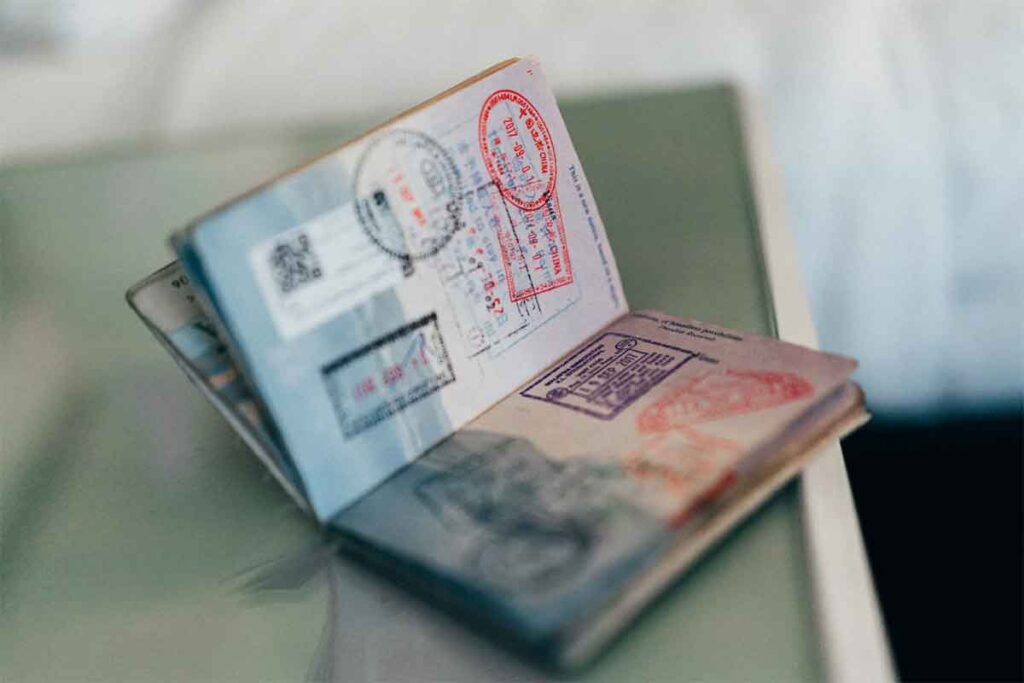
- Passport: It must have at least six months of remaining validity and blank pages.
- Visa: It costs 50 USD for Italian citizens. It must be applied for online through the official portal, but it is still possible to obtain it upon arrival.
- Mandatory insurance: It costs 44 USD per person and is required in Zanzibar and, starting October 1, 2026, also in mainland Tanzania. Procedures and official links are available in the visa guide for Tanzania and Zanzibar.
- Health: No vaccinations are required for travelers departing from Italy. A yellow fever vaccination is required only if you are arriving from a high-risk country or after a layover of 12 hours or more in one of these countries. Consult your doctor about malaria prophylaxis: details are available on our page about vaccinations and prophylaxis.
- Money: The local currency is the shilling, and starting in 2025, local purchases must be paid for in shillings. Credit cards are accepted in cities and at lodges. Information on handling cash, ATMs, and tips is provided in the article on Tanzania’s currency.
- Safety: The parks and tourist areas are safe. In cities, standard precautions are sufficient. The current situation is described on the page “Is Tanzania dangerous?”
7. Book your flight
There are three international airports, and your choice depends on your itinerary:
- Kilimanjaro (JRO), for safaris in the north and trekking;
- Dar es Salaam (DAR), for the south;
- Zanzibar (ZNZ), for beach vacations.
Starting in July 2026, there will be one direct flight per week from Milan Malpensa to Kilimanjaro and Zanzibar. Otherwise, flights involve one layover, for a total travel time of 11–16 hours. For the high season—from July through September and around Christmas—it’s best to book 4–6 months in advance. Layovers, airlines, and transfers are described on our pages about flights from Italy and airports in Tanzania.
What to Pack
For the safari, pack neutral colors, layered clothing for cold mornings, comfortable shoes, and a soft-sided bag if you’ll be taking domestic flights. For Zanzibar, pack light clothing and something to cover your shoulders and knees when in town. Remember that plastic bags are banned and camouflage clothing is not allowed. The complete list is in oursafari clothing guide.
A Schedule to Help You Get Organized
- 6–9 months in advance: Choose your travel dates and itinerary, and request quotes. For the high season or a Kilimanjaro climb, book your safari and flights.
- 3–4 months in advance: Check your passport and schedule an appointment at a travel medicine clinic.
- 1 month before: Apply for a visa and mandatory insurance, and start any necessary preventive medication.
- 1 week before: Print your documents, notify your bank of your trip, and pack your suitcase, making sure to stay within the weight limits.
Frequently Asked Questions About Planning a Trip to Tanzania
Can you go on a DIY safari in Tanzania?
Yes, by renting an off-road vehicle and booking campsites or lodges, but it’s not recommended for your first trip. Park fees remain the same, the trails are difficult, and without an experienced guide, you’ll see far fewer animals. For Kilimanjaro, an authorized guide is required by law.
How many days should you plan for a trip to Tanzania?
For a safari in the northern parks, 7–8 days are enough. With 10–12 days, you can add 4–5 days on the beach in Zanzibar, while with 14–16 days, you can also include a trek up Kilimanjaro.
How much does it cost to plan a trip to Tanzania?
For an 8–10-day safari, you can expect to spend approximately 1,800–2,500 euros per person for camping or simple lodges, or 3,000–4,500 euros for a mid-range private safari, not including international flights. A flight from Italy generally costs 700–1,200 euros.
When is the best time to plan a trip to Tanzania?
For safaris, the best times are from June to October and from January to February. From March to May, it rains more, but prices are lower. The choice also depends on where the Great Migration is during the month of your trip.
What documents are needed to travel to Tanzania?
You’ll need a passport with at least six months’ validity, a USD 50 visa, and mandatory USD 44 travel insurance, which is required in Zanzibar and, starting October 1, 2026, also in mainland Tanzania.
How far in advance should you book a safari in Tanzania?
During the high season, from July to September and during the holidays, it’s best to book 6–9 months in advance. During the low season, 2–3 months is often sufficient.
If, after reading all this, you’d prefer someone else to take care of the details, we’ll take care of it: from the quote to the airport pick-up, right down to your last day at the beach. Send us your dates and ideas , even if just a rough sketch, and we’ll get back to you with a concrete proposal. Those on a tight budget can check out our group departure deals .