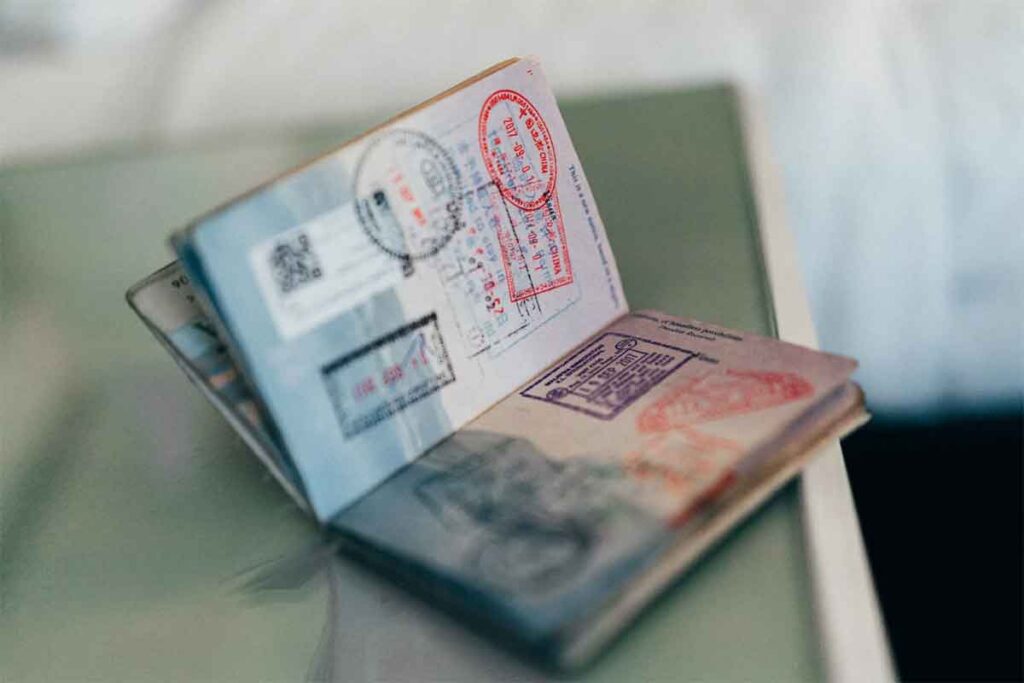


No mandatory vaccinations are required to enter Tanzania when traveling directly from Italy. The only vaccine that may be required at the border is the yellow fever vaccine, and only for those arriving from a high-risk country or who have had a layover of at least 12 hours in such a country: this is an important detail, because some of the most common routes to Tanzania pass through these very countries.
There are also several recommended vaccinations, malaria prevention, and—for those traveling to Zanzibar—mandatory health insurance.
In short
- Required: No vaccine is required if you are arriving from Italy or a country with no risk of yellow fever
- Yellow fever: required if you are arriving from a high-risk country or making a layover of 12 hours or more in such a country (for example, Kenya or Ethiopia)
- Recommended: hepatitis A, typhoid, hepatitis B, up-to-date tetanus shot; rabies and other vaccines depending on your itinerary
- Malaria: present in most parts of the country; consult your doctor about preventive treatment
- Zanzibar: Mandatory health insurance, approximately 44 USD per person
Yellow Fever: When It’s Required
According to the regulations of the Tanzanian Ministry of Health, the international yellow fever vaccination certificate must be presented upon arrival by anyone who:
- comes from a country at risk of disease transmission;
- had a layover of 12 hours or more in a high-risk country.
Kenya andEthiopia are also among the high-risk countries. Therefore, travelers with layovers in Addis Ababa or Nairobi should check the length of their layover: if the layover is short, a vaccine is not required; if it is 12 hours or longer, it is required. The same applies to travelers who combine a trip to Tanzania with a safari in Kenya or Uganda before arriving.
Some practical details:
- The vaccine must be administered at least 10 days before entering the country, and it is valid for life;
- Children under one year of age and people over 60 are exempt; those who cannot be vaccinated for medical reasons must have a certificate of exemption;
- Anyone who arrives without a certificate when one is required may be turned away, or vaccinated at the airport for a fee and kept under medical observation.
If your itinerary includes Uganda, please note that the yellow fever vaccine is required there in all cases: anyone combining their trip with a safari in Uganda must get vaccinated regardless.
Recommended Vaccinations
None of these are required to enter the country. These are the vaccinations that travel medicine centers most often recommend for Tanzania; which ones to get depends on your itinerary, the length of your trip, and your individual health status.
| Vaccination | How the Disease Is Transmitted | For whom |
|---|---|---|
| Hepatitis A | Contaminated food and water | Recommended for almost all travelers |
| Typhoid Fever | Contaminated food and water | Recommended especially for those who eat outside of tourist areas or visit rural areas |
| Hepatitis B | Blood and Body Fluids | For those who have not yet been vaccinated (in Italy, vaccination has been mandatory for newborns since 1991), long trips or potential medical treatment while traveling |
| Tetanus, Diphtheria, Pertussis | Wounds (tetanus), airway | Booster dose to be verified: should be given every 10 years |
| Rabies | Animal bites or scratches | For extended stays, hiking in remote areas, working with animals or young children |
| Cholera | Contaminated water and food | Only in specific cases, such as during outbreaks or for those working in high-risk environments |
A practical tip is to schedule your visit to the travel medicine center at least 4–6 weeks before departure: some vaccines require multiple doses and a few days to become effective.
Malaria and Other Mosquito-Borne Diseases
Malaria is present year-round in most of Tanzania, including the northern parks, the coast, and Zanzibar. The risk is very low only at high altitudes—above approximately 1,800 meters—such as on the rim of the Ngorongoro Crater or on Mount Kilimanjaro. The decision regarding malaria prophylaxis should be made in consultation with a doctor, who will select the most appropriate medication based on the traveler’s itinerary and health.
Mosquitoes also transmit dengue fever, for which there is no pharmacological prevention: the only defense is to avoid being bitten. In practice:
- Apply an effective repellent to exposed skin, especially from sunset to sunrise;
- Wear light-colored long-sleeved shirts and long pants in the evening;
- sleeping under a mosquito net, which is almost always available in lodges and tented camps.
During the dry season, from June to October, there are significantly fewer mosquitoes: this is yet another reason to choose your travel dates carefully, as we explain in our guide on when to visit Tanzania. Also be aware of the tsetse fly, which is present in some areas such as Tarangire: it bites, but in these areas it does not transmit diseases to travelers; it is attracted to dark colors, particularly blue and black.
Zanzibar: compulsory health insurance
Anyone entering the Zanzibar Archipelago must havemandatory health insurance issued by the local authorities, regardless of any other policies they may already have. It costs about 44 USD per person, is valid for 92 days, and must be purchased online before departure.
Starting October 1, 2026, the mandatory health insurance policy costing 44 USD will also cover mainland Tanzania, not just Zanzibar. The policy is valid for the entire trip and must be purchased from the insurance company at your first point of entry: NIC on the mainland, or ZIC if you arrive directly in Zanzibar. All the details are in our visa guide for Tanzania and Zanzibar; if your trip includes a beach vacation, you’ll find package deals on the Tanzania and Zanzibar page.
More Travel Health Tips
- Water and Food: Drink only water from sealed bottles or filtered water; avoid ice of unknown origin; opt for cooked foods and fruits that can be peeled. Hygiene conditions are generally good at lodges and safari camps.
- Sun and heat: high-SPF sunscreen, a hat, and plenty of water—especially during long days of off-road driving.
- Altitude sickness: Anyone climbing Kilimanjaro should choose a route that allows enough days for acclimatization and consult a doctor before leaving.
- Travel medications: Pack your regular medications in your carry-on luggage, along with the prescription, plus a small first-aid kit containing fever reducers, anti-diarrheal medication, antiseptic, and bandages.
- Travel insurance: A policy covering medical expenses and repatriation is essential. Our trips include AMREF Flying Doctors coverage for medical air evacuation during the safari; however, this does not replace comprehensive insurance. We discuss this in our guide on how much a safari in Tanzania costs.
Before you leave, it’s always a good idea to check the latest health advisories on the Italian Ministry of Foreign Affairs’ “Viaggiare Sicuri” website. For an overview of safety in the country, see our guide, “Is Tanzania Dangerous?”
Frequently Asked Questions
Are vaccinations required to travel to Tanzania from Italy?
No. Travelers arriving directly from Italy or from a country where there is no risk of yellow fever are not required to have any vaccinations. A yellow fever certificate is required only for travelers arriving from a high-risk country or who have had a layover of 12 hours or more in such a country.
If I have a layover in Addis Ababa or Nairobi, do I need the yellow fever vaccine?
It depends on the length of the layover. Ethiopia and Kenya are considered high-risk countries: if your layover is 12 hours or longer, you need a vaccination certificate; if it’s shorter, you don’t.
What vaccinations are recommended for a safari in Tanzania?
The most recommended vaccines are hepatitis A and typhoid fever, in addition to an up-to-date tetanus shot and hepatitis B for those who have not already been vaccinated. Rabies and other vaccines should be evaluated based on your itinerary. This decision should be made in consultation with a travel medicine center.
Do I need to take malaria prophylaxis?
Malaria is present in most parts of the country, including the northern national parks and Zanzibar, so preventive treatment is often recommended. This decision should be made in consultation with your doctor, along with measures to prevent mosquito bites: insect repellent, long sleeves and pants in the evening, and mosquito nets.
Is insurance required for Zanzibar?
Yes. To enter Zanzibar, you need health insurance issued by the local authorities, which costs about 44 USD per person and is valid for 92 days. It is not required for mainland Tanzania.
Not sure how to plan your trip to suit your needs? Write to us: we’ll help you choose the best time and itinerary.