

Morogoro is a medium-sized city and the capital of the region of the same name, located about 190 km west of Dar es Salaam. It lies at the foot of the Uluguru Mountains, a forested range that overlooks the city, and is an important agricultural center, home to Sokoine University of Agriculture, the country’s leading agricultural university.
It’s not a tourist destination in the traditional sense: there are few monuments and museums. Its appeal lies elsewhere. It’s a lively and authentic city, rarely visited by tourists, and serves as the ideal base for excursions into the Uluguru Mountains and for exploring the southern parks, such as Mikumi, the Udzungwa Mountains, and Selous.
What to See and Do in Morogoro
Hiking in the Uluguru Mountains
The Uluguru Mountains are part of the Eastern Arc, a range of ancient mountains in East Africa covered by rainforests, considered among the areas richest in endemic species on the continent. The highest peak rises above 2,600 meters. Trails of varying difficulty depart from Morogoro—ranging from half-day to multi-day hikes—that wind through villages, terraced fields, and patches of forest, featuring waterfalls and panoramic views of the plains. Hikes are led by a local guide who knows the trails well and facilitates interactions with the village communities.
The Uluguru forests are home to birds, chameleons, and amphibians found nowhere else: Birdwatchers can find more details in our guide to the birds of Tanzania and the species endemic to the mountains.
The Luguru Villages
The mountains are inhabited by the Luguru, the people after whom the mountain range is named—farmers who grow fruits, vegetables, and spices intended primarily for the markets of Dar es Salaam. Theirs is a traditionally matrilineal society, in which land and clan membership are passed down through the maternal line. Other groups also live in the Morogoro region, such as the Pogoro and the Ndamba in the Kilombero Valley, and Maasai communities on the plains.
The Market and City Life
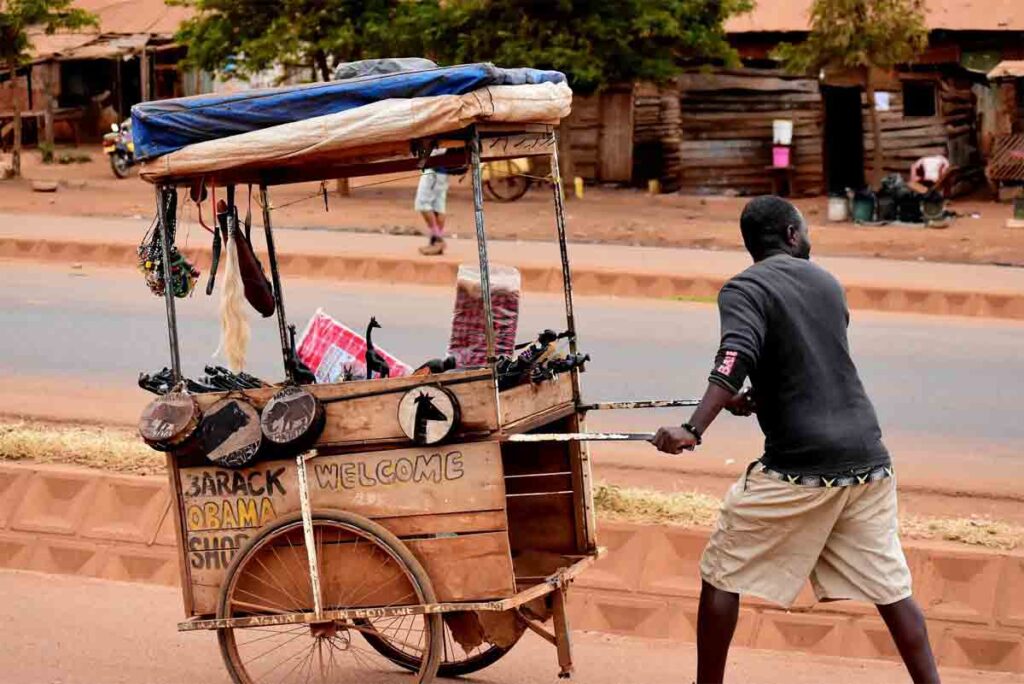
Morogoro’s central market is one of the country’s most abundant sources of fruits and vegetables, thanks to the area’s fertile soil. Strolling through the city means experiencing the unfiltered daily life of a Tanzanian city: the small shops, the street vendors, the sidewalk cafes where people drink kahawa—strong coffee served in small cups—and tangawizi, a ginger infusion. Knowing a few words of Swahili is particularly appreciated here, as there are few tourists and English is less widely spoken.
APOPO and the mine-detecting rats
Sokoine University is home to the training center of APOPO, the organization that trains giant African rats to detect landmines and tuberculosis using their sense of smell. It is a world-renowned project that has cleared thousands of hectares of mined land in various countries.
Parks near Morogoro
Morogoro is one of the gateways to the southern parks of Tanzania, which are less crowded than those in the north:
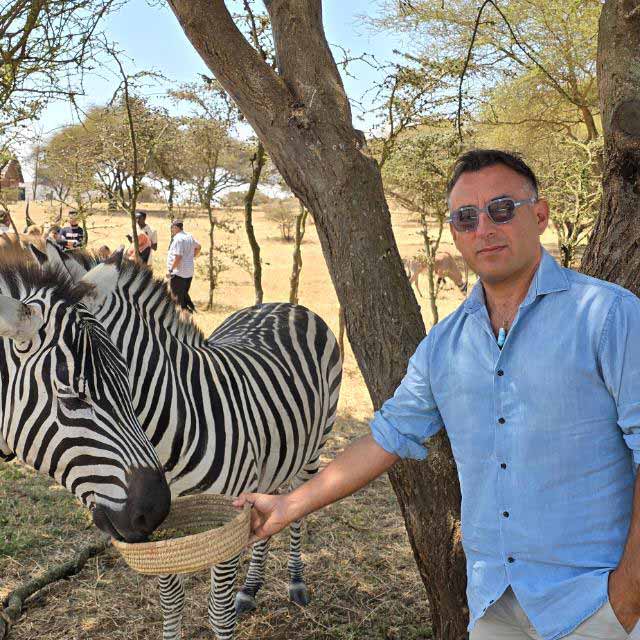
- Mikumi National Park: the closest one, about a two-hour drive to the southwest. Its open plains, crossed by the main road, are home to elephants, lions, giraffes, zebras, buffalo, and hippos. It’s an ideal park for a short safari, even a one-day trip.
- Udzungwa Mountains National Park: Further south, this park is best explored on foot, featuring rainforests, waterfalls, and several species of endemic primates, including the Udzungwa red colobus.
- Selous: This large southern reserve is accessible from Morogoro as well as from Dar es Salaam, offering a safari through rivers and lakes by off-road vehicle and boat. Find information about the park in the Selous Reserve fact sheet and on our three-day Selous safari.
How to Get
t
From Dar es Salaam, Morogoro can be reached by car in about three to four hours, depending on traffic leaving the city, or by the new standard-gauge electric train (SGR), which connects the two cities in less than two hours and is currently the most convenient and fastest way to travel. Continuing westward, the same line goes all the way to Dodoma.
When to go
The best time to visit is from June to October, during the dry season: temperatures are cooler, the Uluguru trails are more passable, and the animals in the parks concentrate around water. January and February are also generally favorable. The heaviest rains fall between March and May, when hiking becomes muddy and some park tracks are difficult. For a complete overview, see the guide to Tanzania’s seasons .
Practical Information
- Language: Swahili is spoken; English is understood in hotels and by tour guides, but less so on the street.
- Currency: the Tanzanian shilling. Credit cards are rarely accepted outside major hotels; it’s best to have cash, which you can withdraw from ATMs at banks in the city center.
- Safety: Morogoro is a quiet city; take the usual precautions, such as avoiding walking at night in poorly lit areas and not displaying valuables. See the country’s safety guide for additional advice.
- Health: Malaria is present throughout the area, including the low mountains: use insect repellent, wear long sleeves and pants in the evening, and consult your doctor about malaria prophylaxis.
Where to Stay
In the city, there are mid-range hotels and a few lodges on the slopes of the Uluguru Mountains, which are quieter and offer views of the mountains. For those visiting Mikumi, however, it’s best to stay at lodges and camps near the park so you can be on the trails at dawn. In either case, the best choice depends on your itinerary: if Morogoro is part of your trip, we’ll recommend it based on your schedule.
Morogoro isn’t a stop you’ll find in travel brochures, and that’s precisely what makes it so special. If you’d like to add it to a safari in the south or a few days in Dar es Salaam, let us know your idea: we’ll work with you to figure out how to fit it in between Mikumi, the Uluguru, and the rest of your trip.