

Anyone going on a safari in northern Tanzania almost always passes through here: Mto wa Mbu is located on the road between Arusha and the Ngorongoro Crater, at the foot of the Rift Valley escarpment, just a few minutes from the entrance to Lake Manyara National Park. The name, in Swahili, means “river of mosquitoes, ” referring to the stream that runs through it. Many people call it a “Masai village,” but that’s not entirely accurate.
Mto wa Mbu is a small farming town where people from more than 120 ethnic groups, who have come from all over Tanzania, live together. The Maasai live mainly in the bomas, the fenced-in villages of the surrounding savanna.
This mix of cultures is the reason to visit. In just half a day, you’ll meet banana farmers, Makonde woodcarvers who’ve come from the south, Maasai herders heading down to the market, and families brewing banana beer in their backyards.
Where is it, and how do you get there?
- From Arusha: about 120 km on a paved road, a little over two hours by car.
- From Tarangire: about an hour. Return to the main road at Makuyuni and head west.
- From Ngorongoro: about 50 km to the Lodoare gate, via Karatu.
- From Lake Manyara National Park: The park entrance is right at the town’s exit.
Given its location, Mto wa Mbu is the natural stopover between Tarangire and Ngorongoro, on the way to the Serengeti. Many itineraries include an overnight stay here or on the edge of the cliff overlooking the lake.
From a dusty little village to a crossroads of peoples
Until the mid-20th century, the area was sparsely populated, damp, and infested with mosquitoes. Things changed with the water. The springs and streams flowing down from the escarpment were channeled into an irrigation system, and that volcanic soil became some of the most fertile in the region.
Farmers arrived from all over the country, including the Chagga from Kilimanjaro, the Iraqw from the highlands, the Sandawe from the central region, and the Makonde from the south. They joined the Maasai and Datoga herders who were already living in the area. The population of the four villages in the area is now about 18,000.
At the heart of the economy are:
- Bananas: Dozens of varieties are grown—for cooking, for eating raw, and for making beer;
- the rice, in the paddies near the lake;
- corn, vegetables, and fruit sold along the road.
Things to Do in Mto wa Mbu
Visits are managed by a community-based tourism program, the Mto wa Mbu Cultural Tourism Program, which has been active since the late 1990s. It is led by local youth, and a portion of each ticket—a small contribution for each village visited—goes toward schools, clinics, and irrigation projects. Here are the main experiences, from the shortest to the most challenging.
A walk or bike ride through the banana groves
This is the classic tour and lasts about two hours. You follow the irrigation canals through banana groves and rice paddies, stopping at homes where they make banana beer (mbege or rubisi, depending on the recipe and ethnic group) and tasting it. It’s slightly tart, light, and a bit cloudy. By bike, you can cover more ground and reach the rice paddies and the lake’s shore.
Artisans and Painters
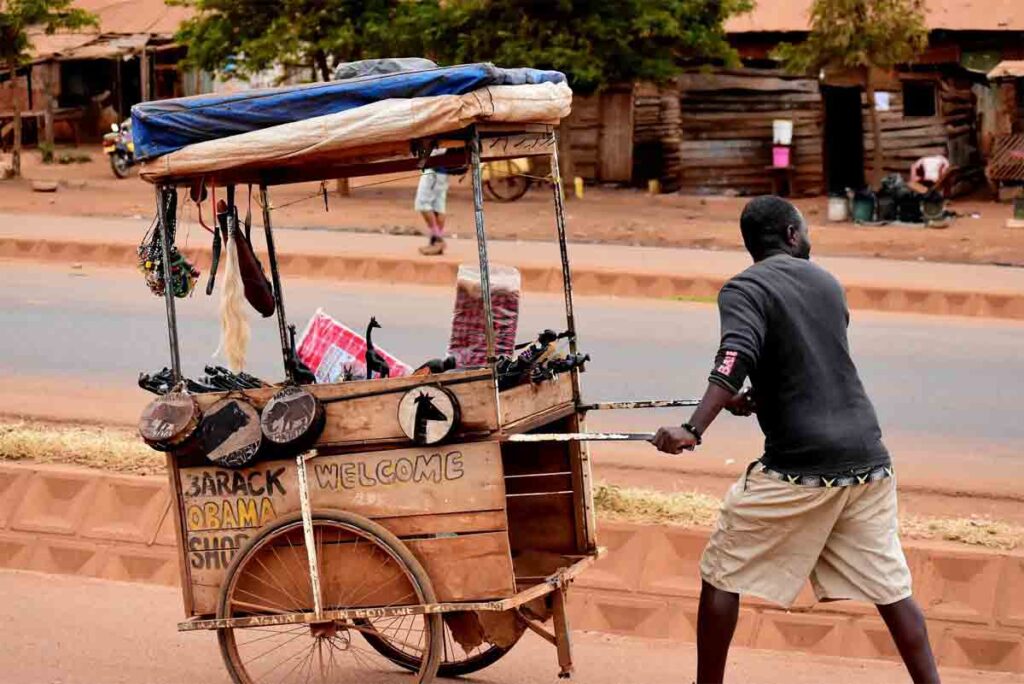
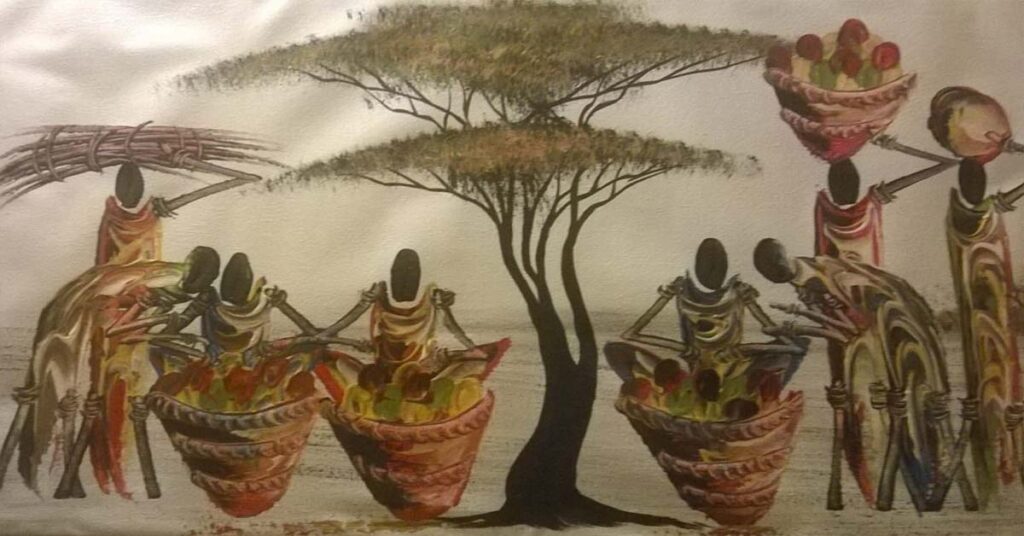
Mto wa Mbu is home to a community of Makonde woodcarvers, famous for their ebony and hardwood sculptures, as well as many Tingatinga painters—the vibrant art style that originated in Dar es Salaam in the 1960s. Watching them at work is part of the tour. You can buy their artwork directly from them, haggling politely—it’s the perfect place to find an authentic souvenir.
Lunch with a Family
Many tours end with a meal, either at a family’s home or at a local restaurant. Typical dishes include:
- ndizi, bananas to be stewed with meat;
- spiced pilaf;
- ugali, white corn polenta;
- vegetables and kachumbari, the tomato and onion salad.
For those coming from the lodge kitchens, it’s the most authentic meal of the trip.
Masai Market
Every Thursday afternoon—and on a larger scale every month on the 22nd—the Maasai and other herders from the area come down to Mto wa Mbu to sell livestock, fabrics, and beads, and to buy what they need. The market isn’t geared toward tourists, so it should be visited with discretion. Always ask permission before taking someone’s picture. To understand what you’re seeing—such as the role of livestock, the colors of the clothing, and the age groups—it’s helpful to first read our in-depth article on the Maasai people.
A Visit to a Maasai Boma
In the surrounding area, you can visit several boma—villages consisting of huts made of mud and dung built around a livestock enclosure. The most respectful visits are those organized through the community program, because the proceeds go to the village rather than to middlemen.
Miwaleni Lake and Waterfall, Balaa Hill
- Miwaleni: South of the village, a path through the palm trees leads to a small spring-fed pond and a small waterfall where you can swim.
- Balaa Hill: The hike takes just over an hour and offers views of banana plantations, rice paddies, and Lake Manyara, with plenty of birds along the way.
- Bike ride to the lake: For those with more time, a longer route takes you through the Jangwani Wildlife Corridor to the shores of Lake Manyara.
The other communities in the north, besides Mto wa Mbu
Mto wa Mbu showcases the diversity and intermingling of Tanzania. To see cultures that have remained closer to their traditional way of life, you must continue on to Lake Eyasi, about two hours away. The Hadzabe live there; they are among the last hunter-gatherers in East Africa and are often incorrectly referred to as “Bushmen” (the actual Bushmen, the San, live in Southern Africa). The Datoga, who are herders and skilled blacksmiths, also live there. We’ve dedicated an article to both of them in our series on the tribes of Lake Eyasi.
Practical Tips
- When: It can be visited year-round. During the long rainy season, from March to May, the trails through the fields are muddy, but the countryside is lush and green. The best time of day is late afternoon, after the safari at Manyara or before heading up to Ngorongoro.
- Mosquitoes: The name itself is a warning to be taken seriously. At sunset, you’ll need insect repellent, long sleeves, and the malaria prophylaxis recommended by your doctor. Find the details in our guide to vaccinations and prophylaxis for Tanzania.
- Money: You’ll need small-denomination shillings for tips, beer, and handicrafts. The nearest reliable ATM is in Arusha or Karatu.
- Dress Code and Respect: Dress modestly and always ask for permission before taking photos of people and homes.
- Vendors: Along the main street, the persistence of souvenir vendors can get tiresome. Asimple “hapana, asante” (“no, thank you”) said with a smile is enough.
Frequently Asked Questions About Mto wa Mbu
What does “Mto wa Mbu” mean?
In Swahili, Mto wa Mbu means “river of mosquitoes.” The name comes from the river that runs through the town and the marshes that once surrounded it.
Is Mto wa Mbu a Maasai village?
Not exactly. Mto wa Mbu is a small farming town where people from over 120 ethnic groups live together. The Maasai live mainly in the surrounding bomas and come to town for the market.
Where is Mto wa Mbu located?
Mto wa Mbu is located in northern Tanzania, about 120 km west of Arusha, on the road to Ngorongoro and the Serengeti. It lies at the foot of the Rift Valley escarpment, next to the entrance to Lake Manyara National Park.
What can you do in Mto wa Mbu?
You can take walks or bike rides through banana groves and rice paddies, sample banana beer, visit woodcarvers and painters, have lunch with a local family, go to the Maasai market, hike up Balaa Hill, or take a dip at the Miwaleni Falls.
How long does it take to visit Mto wa Mbu?
The classic tour through the fields and to the artisans takes two or three hours. If you include lunch, a visit to Balaa Hill, or the Miwaleni Waterfall, it adds up to a full day.
When is the Maasai market in Mto wa Mbu held?
The market is held every Thursday afternoon, with a larger market held on the 22nd of every month.
Mto wa Mbu isn’t featured in glossy brochures, but many of our travelers remember it as one of the most authentic moments of their safari. We can include it between Tarangire and the Ngorongoro Crater, or add a night for the Thursday market. Let us know when you’re leaving, and we’ll plan it together. To give you an idea, our safari dedicated to local cultures already includes this stop, along with a bike ride and a traditional lunch.