

Kilimanjaro National Park, or Kilimanjaro National Park, is one of the most famous wildlife parks in all of Tanzania, a well-known destination for safaris, trekking and beautiful nature trips.
The Park’s history began in 1910, when a German colony declared its huge area a nature reserve owned by Germany. It wasn’t until 1977 that Kilimanjaro Park was opened to the public and reclassified, precisely, as a National Park, and then became a UNESCO World Heritage Site in 1987.
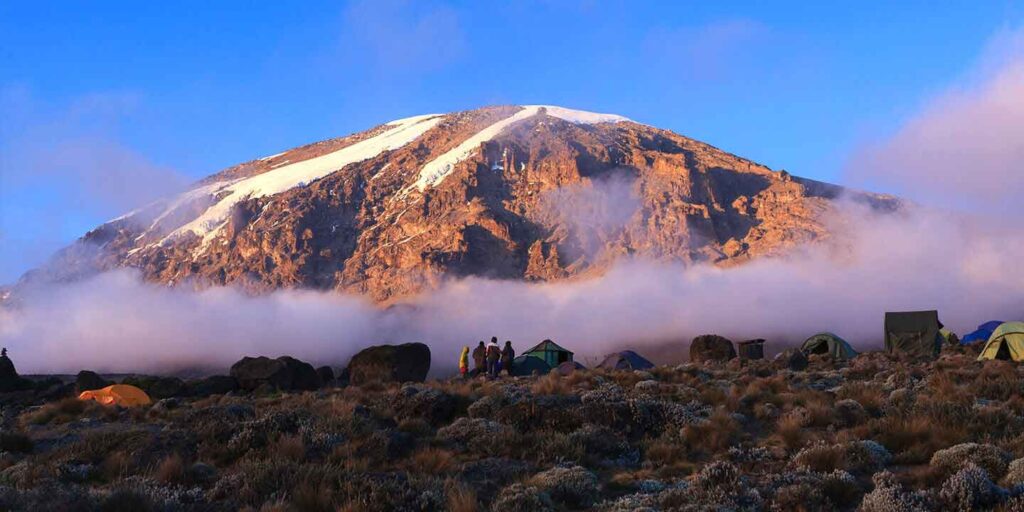
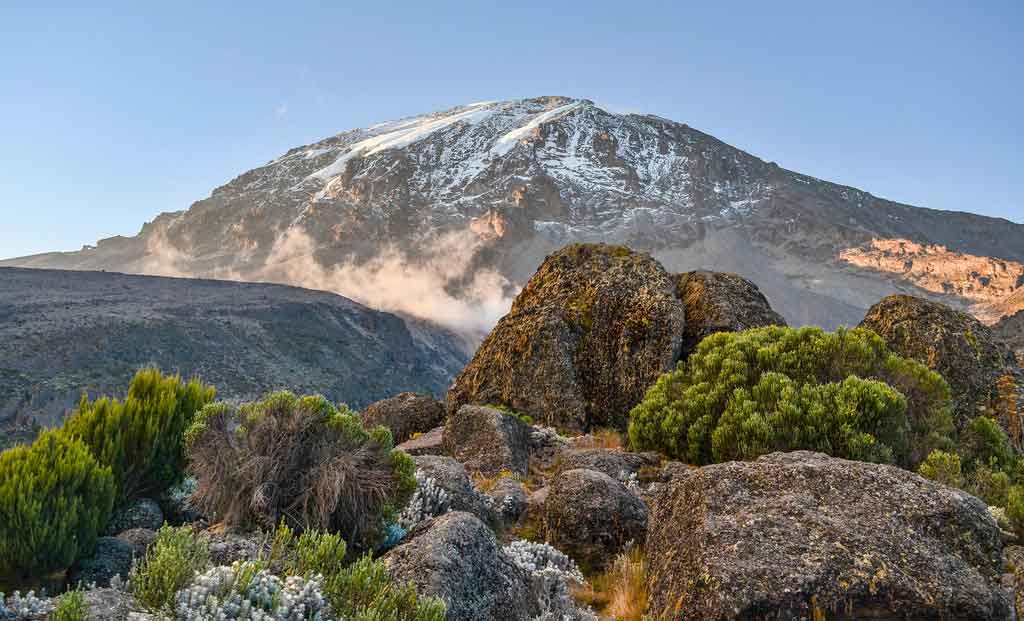
Its fame, which has made it one of the most sought-after safari destinations in Tanzania, is, of course, due to the spectacular Mount Kilimanjaro, which in addition to being Africa’s highest mountain is also one of the world’s highest volcanoes, the summit of which is covered by a perennial glacier, called the Rebmann Glacier, in honor of the first explorer who reached its summit.
Flora and fauna of Kilimanjaro National Park
Located in northeastern Tanzania, Kilimanjaro Park covers an area of as much as 756 km² that is home to thousands of animal and plant species. The park is so vast and elevated that the vegetation is divided into 4 macro areas because of the great diversity between them.
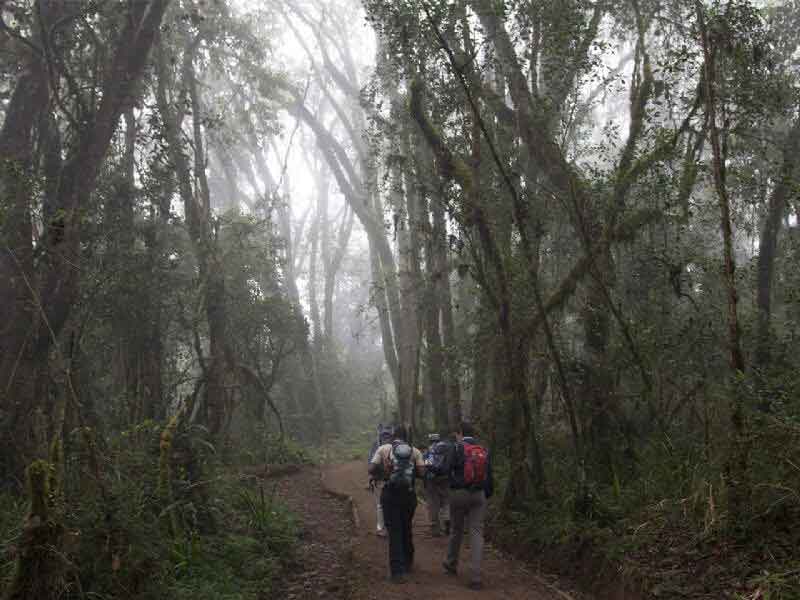
- From 1801 meters to 2700 meters there is the rainforest area, probably the richest area of flora in the entire park, within which trees of incredible heights soar.
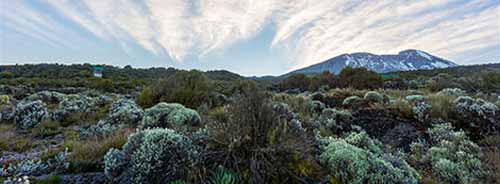
- From 2700 meters to 4000 meters we are in the moorland zone, where temperatures get cooler and trees give way to shrubs.
- From 4,000 meters to 5,000 meters we are in the high-altitude desert zone.
- From 5000 meters to 5895 meters we are instead in the summit area of Mount Kilimanjaro, where we find nothing but snow and ice.
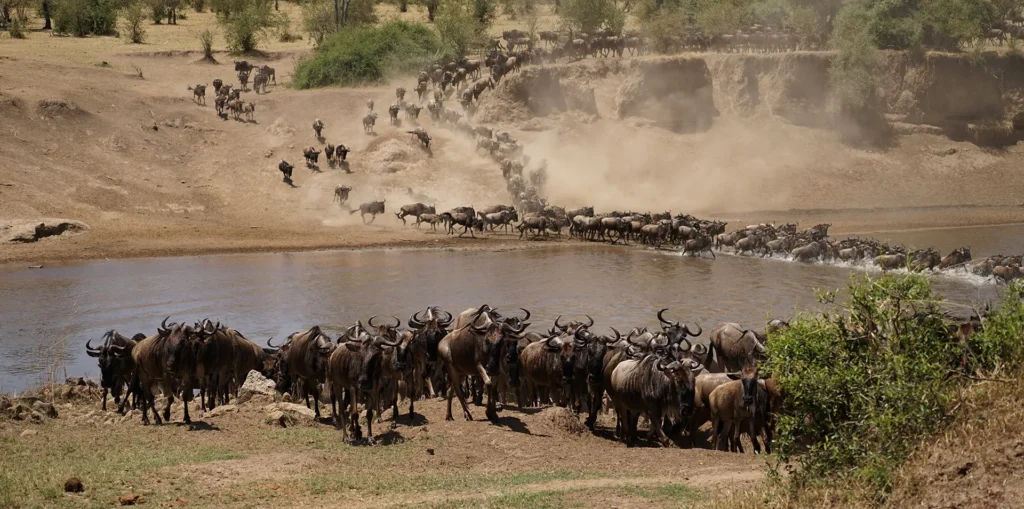
Along with a lush and varied flora, a very rich variety of animal species can be encountered in Kilimanjaro National Park, which has about 140 species of mammals, including 7 different species of primates, 25 species of carnivores, 25 species of antelopes and 24 species of bats.
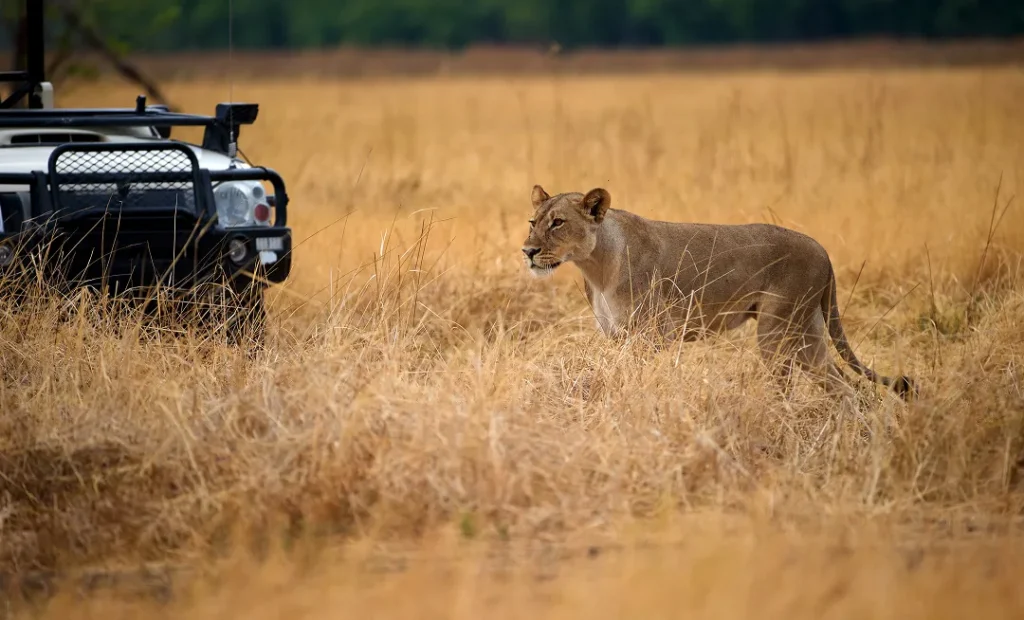
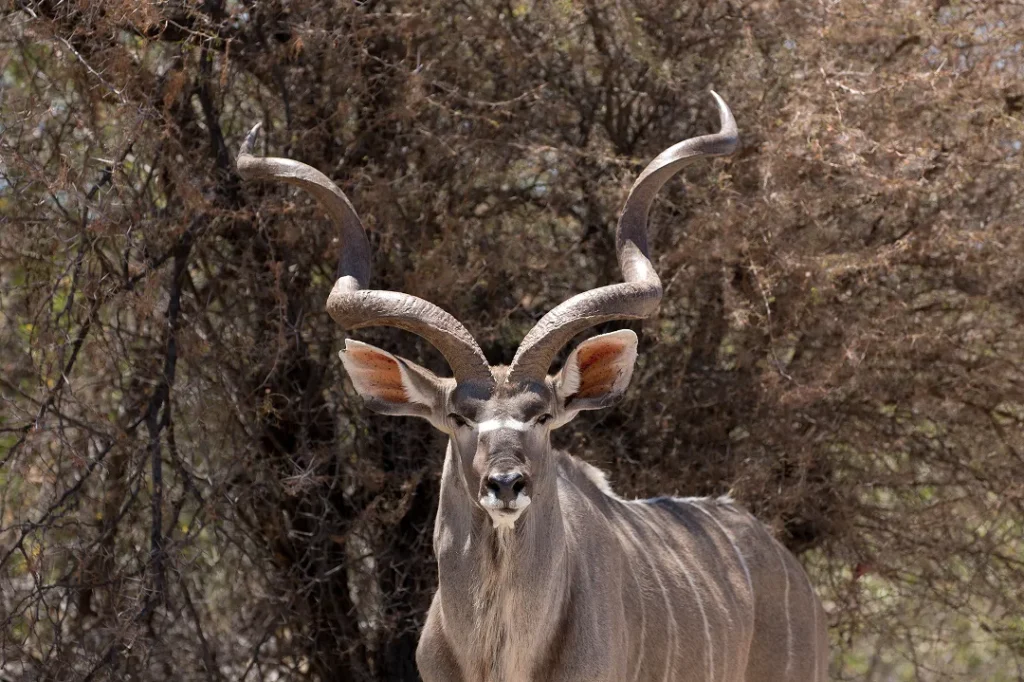
On safari in the park you will see hundreds of African elephants, baboons and other primates. One of the animals you will also most frequently encounter will be antelopes and cudus.
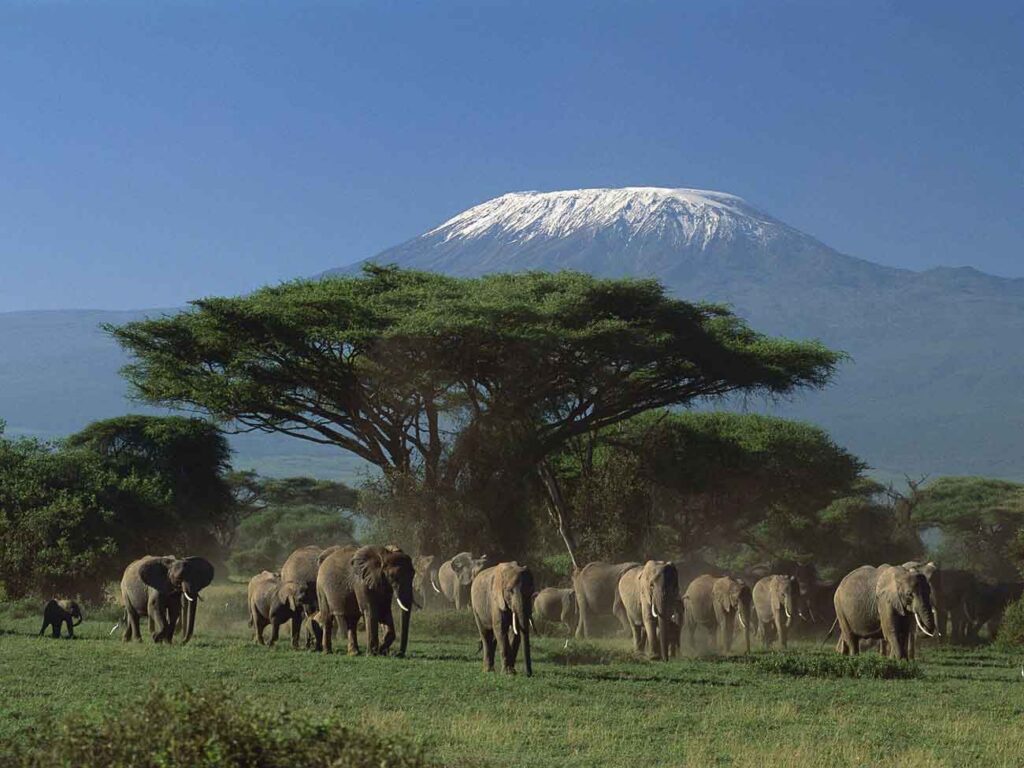
Kilimanjaro is actually a stratovolcano that has three different craters: Shira in the west (m. 3,962), Mawenzi in the east (m. 5,149) and Kibo in the center, which at 5,895 meters is also the highest peak. At about 3,600 meters, between Kibo and Mawenzi, there is “the saddle,” the most extensive highland tundra on the continent.
Kilimanjaro, or Chilimanjaro, is an extinct volcano, although it still spews sulfur and steam from the vents in the center of the crater.
The main entrance to the park is Marangu Gate, in the northeastern part of Tanzania, and is located at an altitude of 1870 m.
This is the lowest part of the plateau, which is accessible by jeep, like the one that will take you on our Tanzania tours, and offers beautiful views of the Great Rift Valley with Mount Meru.
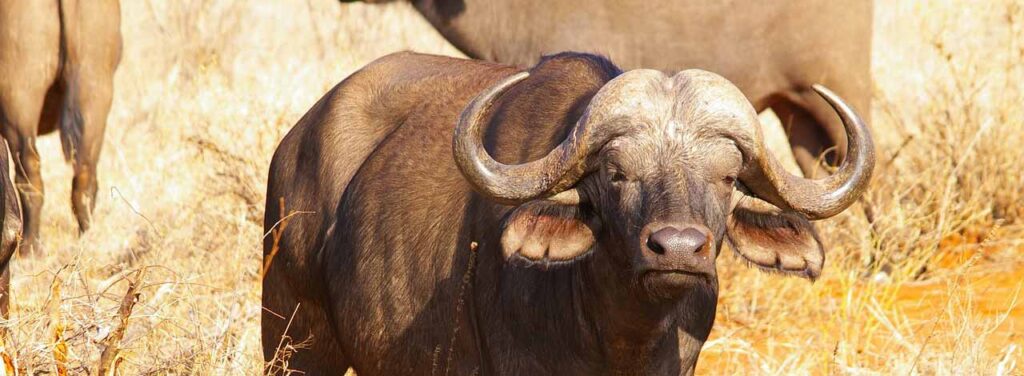
On Mount Kilimanjaro it is possible to go on a day-long trek, visiting the foot of the “Roof of Africa,” where there is a lush rainforest dominated by tall trees, which is home to various animals, such as buffalo, baboons, guenons, leopards and antelopes some and numerous birds, including the abbot starling, which is very rare outside this area. You will also be able to visit the nearby picturesque Lake Chala, which rises in a caldera on the eastern edge of Mount Kilimanjaro, with hues ranging from turquoise to emerald green depending on the season.
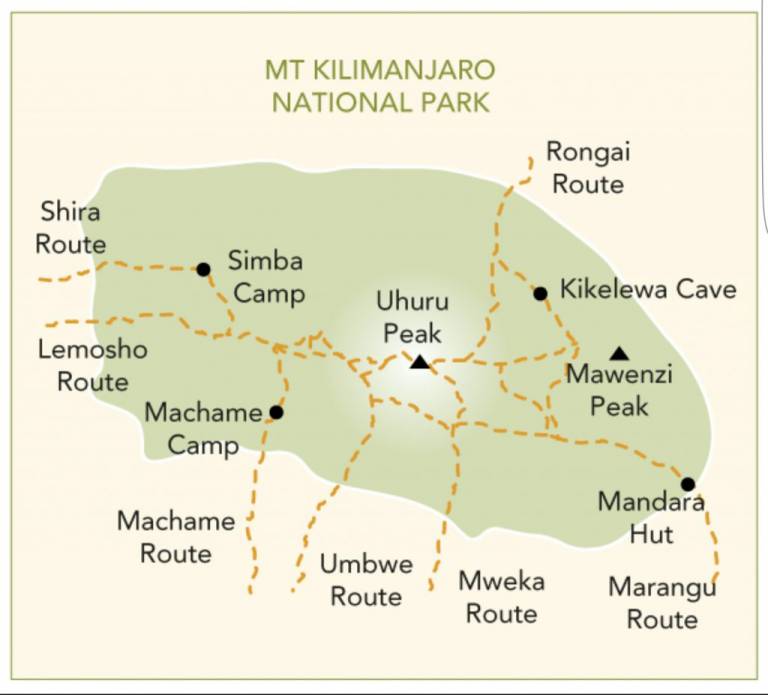
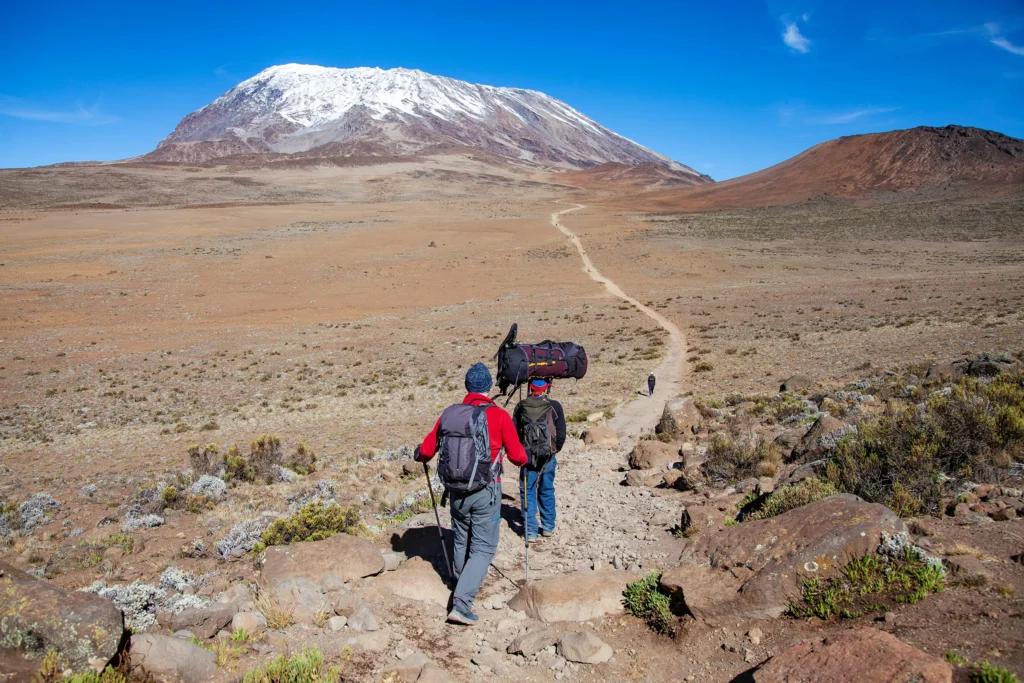
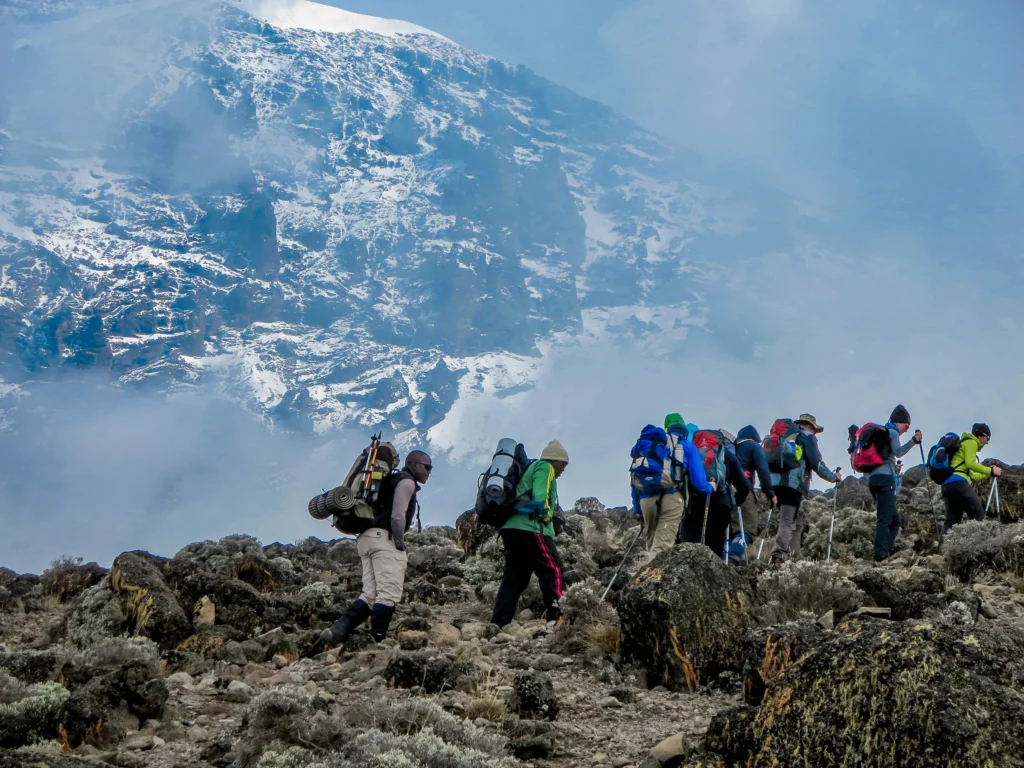
The climb to the summit of Kilimanjaro, which takes at least 5 days, must be accomplished with a mandatory guide and with Sherpas, who also fulfill the role of cooks, as there is no restaurant service in the huts located along the route. The Marangu Route is the main route to the summit of Kilimanjaro, and it is the only one with good signage and where overnight stays can be in wooden huts, as well as in tents carried by the expedition’s porters.
The ascent to the summit of Kilimanjaro attracts a large number of hikers every year, both for the breathtaking views and because it is possible to make it all the way to the summit on foot, without ropes, and therefore no special technical climbing experience is required, but it is always important to have adequate preparation to deal with the fatigue and high altitude.
Although the climb can be made throughout the year, the best time is undoubtedly the dry season, June to October and December to February, when the probability of encountering good weather is highest.
Discover our safaris and treks on Mount Kilimanjaro
BOOK YOUR SAFARI