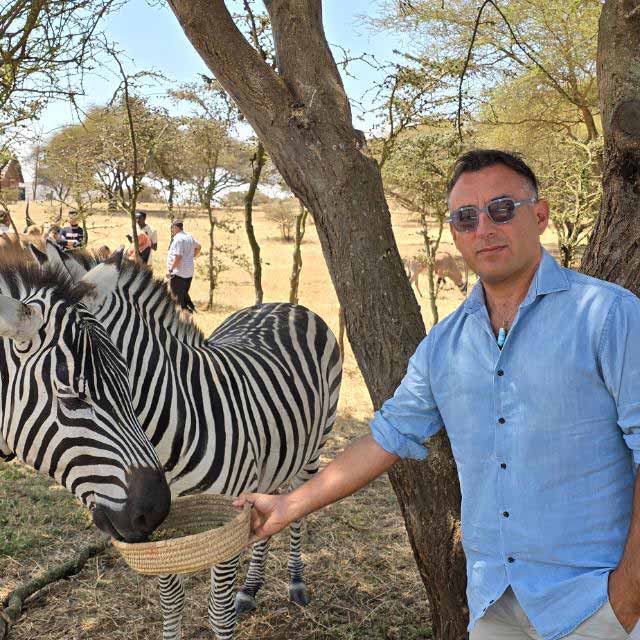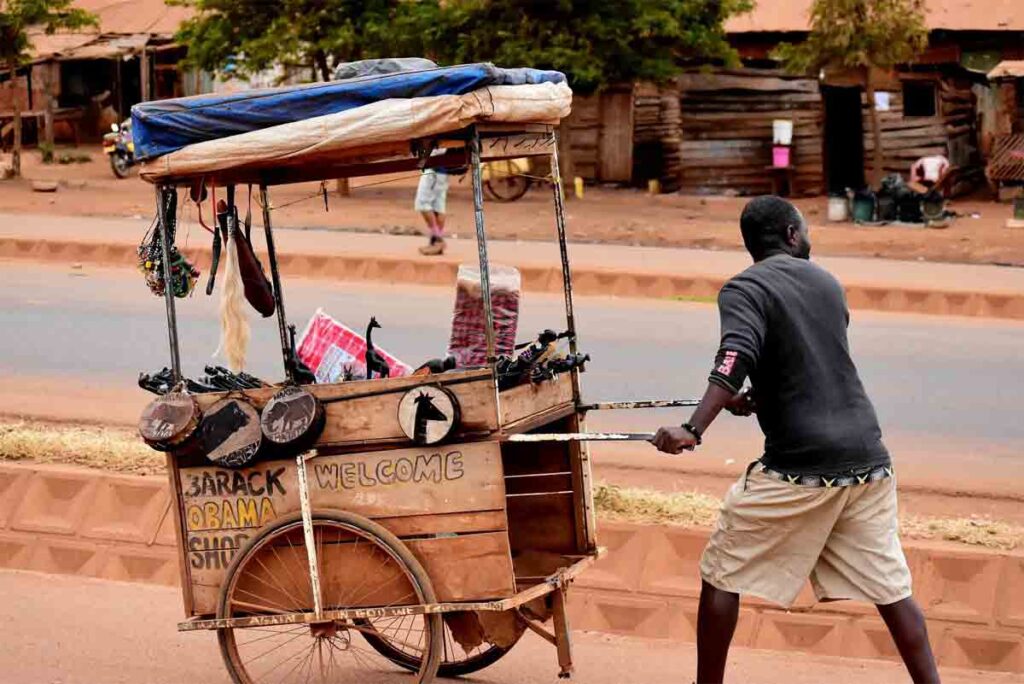


Travelling to Tanzania can be an intense and exciting experience. Many travelers prefer to explore exotic places on earth, offering a different experience from traditional tourism. The African continent offers rich cultural diversity, impressive landscapes and a wide variety of wildlife. Tanzania is one of the world’s favorite vacation destinations.
However, amidst the excitement of the adventure, it’s important to be prepared toensure your health and safety during your trip. Preventing and protecting yourself against the effects of some of the diseases prevalent in this wonderful destination is very important. To do this, you need to be informed and vaccinated against the most common illnesses.
If you’re planning to travel to Tanzania in the near future, be sure to read this article. You’ll find out which vaccinations are recommended by the official health authorities. We’ll also give you some useful advice on how to avoid health problems during your stay in this fascinating destination.
Mandatory vaccines
The Tanzanian authorities require international travelers to prove that they have been vaccinated against yellow fever before entering the country. This vaccination is essential, as Tanzania has areas where this disease is endemic.
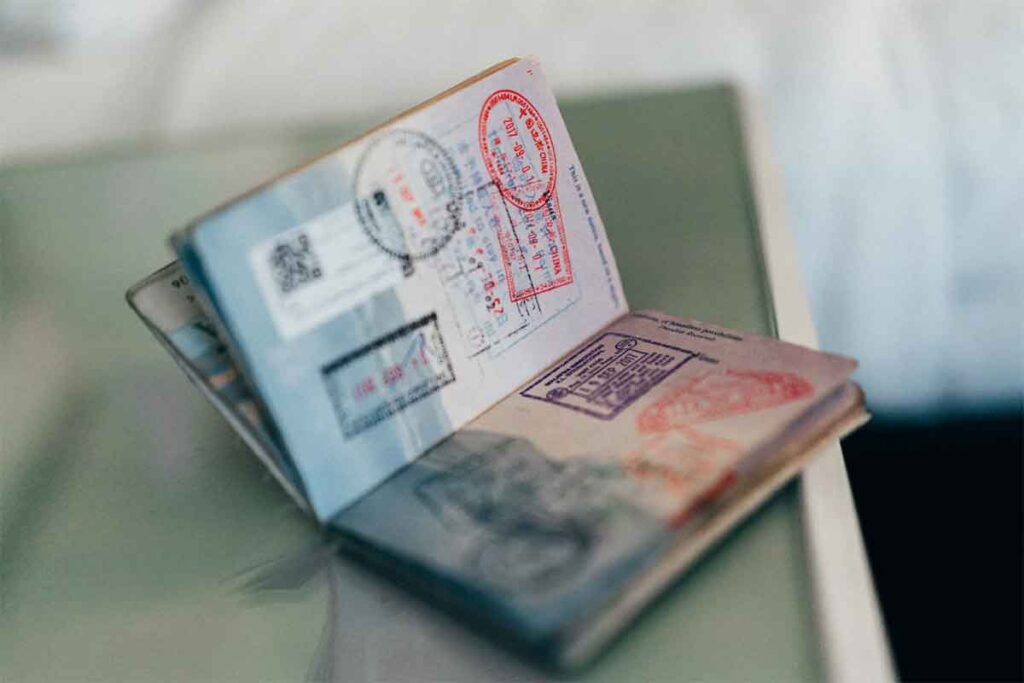
Other common vaccines such as influenza, shingles, measles and polio will also be required. Without a valid vaccination certificate or cartilla de vacunación, you may encounter problems entering the country. For this reason, these vaccinations are considered compulsory.
Recommended vaccines
In addition to the mandatory vaccines, the following are recommended for extra protection. If you’re going to rural areas with poor hygiene, it’s important to get vaccinated against typhoid fever. This is a bacterial disease that spreads rapidly throughcontaminated food and water.
Vaccination against hepatitis A and B is important. These viral diseases are spread through infected food, water or body fluids.
This protection is necessary if your trip involves contact with the local population or participation in outdoor activities. Rabies, a viral disease transmitted by infected animals, can have serious consequences if you are not vaccinated.
It’s important to get vaccinated if you plan to spend time outdoors orbe in contact with animals. This will protect you. Finally, the meningitis vaccine, especially if you plan to travel during the dry season, between June and September. This is when the risk of meningitis outbreaks is highest among the population.
Other health precautions for a trip to Tanzania
In addition to vaccinations, there are several extra precautions you can take to protect your health during your trip to Tanzania. Tanzania is a country where you are likely to contract diseases such as:
- malaria
- dengue fever
- the Zika virus through mosquito bites.
Insect repellent should be a staple in your suitcase and during your stay. Don’t forget to wear protective clothing and sleep under mosquito nets to minimize bites and their consequences.
In addition, it’s essential to take care of hygiene and food safety. Avoid eating raw or undercooked food, or food whose quality you are unsure of. Water should be bottled or filtered to reduce the risk of diseases transmitted this way. Wash your hands well and use a disinfectant, especially if you don’t have access to soap and water.
Another practical recommendation is to take out travel insurance that covers medical care. In the event of illness or accident, you’re guaranteed adequate assistance.
In conclusion, if you follow these recommendations and tips, you’re unlikely to encounter any health problems during your trip. Keep in mind that vaccinations are a crucial part of preparing for your trip to Tanzania. You can consult a doctor or health professional in advance for advice on which vaccinations are necessary. Consider your medical history, your travel itinerary and the latest public health recommendations.
This way, you can plan your vaccinations in advance, so that you have enough time to receive them all. By taking the necessary precautions, you can enjoy a safe and healthy trip to this magnificent African country.