

No, Tanzania is not a dangerous country for organized travelers: it welcomes hundreds of thousands of visitors every year, and safaris in the national parks and vacations in Zanzibar go off without a hitch in the vast majority of cases. As in any country, however, there are real risks to be aware of: theft and muggings in cities and on tourist beaches, a political situation that has seen protests following the 2025 elections, a few border areas to avoid, malaria, and certain local rules to follow.
In this guide, we’ll go over them one by one, with practical advice on how to avoid them. Before you leave, always check the updated information on the Farnesina’s “Viaggiare Sicuri” website.
In short
- Safaris and parks: very low risk, provided you travel with an authorized operator and follow your guide’s instructions.
- Cities and beaches: The main risks are theft, pickpocketing, and mugging, especially in Dar es Salaam, Arusha, and Zanzibar.
- Areas to avoid: the Mtwara region and the border with Mozambique; exercise extreme caution also at the border with Burundi.
- Political situation: Following the protests that erupted after the October 2025 elections, there are currently no reports of any particular issues, but it is advisable to avoid demonstrations and large gatherings.
- Health: Malaria is the main risk; consult your doctor regarding vaccinations.
- Insurance: It is mandatory for entry into both Zanzibar and, as of October 1, 2026, mainland Tanzania.
Current Situation: What Has Changed Since the 2025 Elections
The general elections on October 29, 2025, were followed by protests in several cities across mainland Tanzania, resulting in clashes, casualties, and nearly a week-long internet blackout. There were also disruptions to flights, banking services, and fuel supplies. Today, the Italian Ministry of Foreign Affairs does not report any particular public order concerns but recommends caution: demonstrations may break out without warning, and checks on foreign nationals have been stepped up.
Some safety guidelines:
- Stay away from demonstrations, marches, and large gatherings, and leave immediately if any occur nearby;
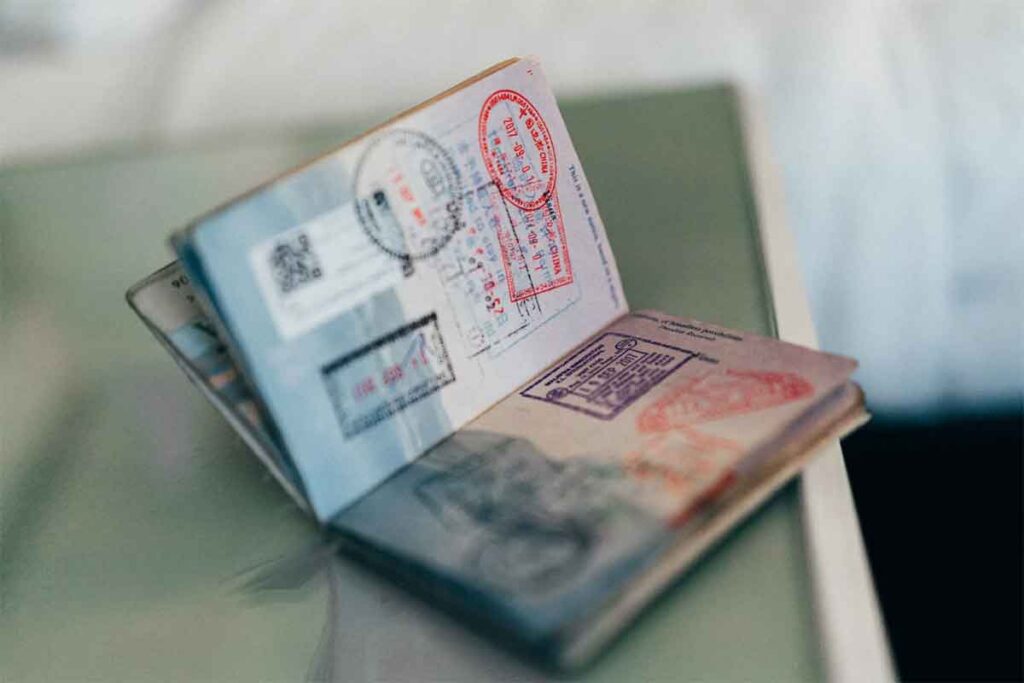
- Always carry a copy of your passport and visa with you, and cooperate if you are stopped for inspection;
- Do not take photos or videos of protests or law enforcement, and do not post images of demonstrations on social media: this is considered a crime;
- Save important contact numbers (hotel, tour operator, embassy) offline in case internet access is restricted;
- Before traveling, check that airports, ports, and roads are operational: if you’re traveling with us, we’ll take care of that for you.
Crime: Areas Requiring Extra Caution
The most common problem for tourists is petty crime: pickpocketing, snatch thefts (often from motorcycles or moving cars), and thefts from accommodations. Robberies have also been reported, sometimes involving weapons, especially in areas frequented by foreigners. In Dar es Salaam, there have been cases of “express kidnappings”: the victim, usually after accepting a ride or an unlicensed taxi, is forced to withdraw cash from an ATM or make immediate payments.
How to Reduce Risks
- Use only taxis booked through the hotel, your tour operator, or apps like Uber and Bolt, especially at night; never accept rides from strangers;
- Do not walk alone at night, not even on the beach, and do not walk around with jewelry, expensive cameras, or large amounts of cash in plain sight;
- Carry your bag on the side opposite the street and keep car doors and windows locked while in the city;
- Leave your passport and original documents in the hotel safe and keep a copy with you, including a digital copy;
- Keep cash and cards in separate places;
- Never leave your glass unattended in bars or restaurants;
- Do not accept offers from street vendors on the beach (“beach boys”): they sometimes offer drugs, and tourists risk arrest;
- In the event of a robbery, do not resist: no item is worth the risk.
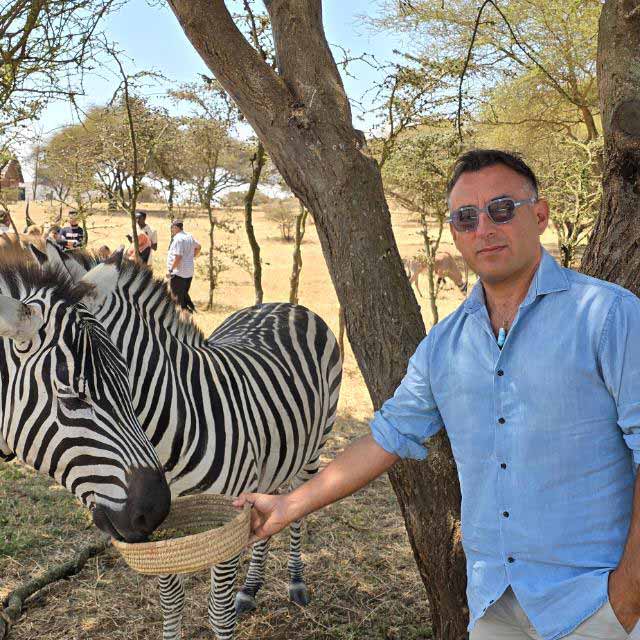
On an organized safari, these risks are much lower: transportation is by off-road vehicle with a guide, and security at the lodges and camps within the parks is handled by the staff.
Safe Areas and Areas to Avoid
Tourist areas—namely, the northern parks, Kilimanjaro, Zanzibar, and the major southern parks—are not subject to any specific travel advisories. However, precautions vary from area to area.
Dar es Salaam
Dar es Salaam is the country’s largest city and the one where you need to be most careful. Paradoxically, the areas most prone to pickpocketing and assaults are the affluent neighborhoods frequented by foreigners: Masaki, the Msasani Peninsula, and Oyster Bay—including Coco Beach and the Toure Drive waterfront. It’s best to avoid the very crowded Kariakoo Market whenever possible and not walk around downtown after sunset. Most travelers on safari pass through Dar es Salaam only for a layover: in that case, an organized transfer between the airport and the hotel is sufficient. All the details are in our guide to Dar es Salaam.
Zanzibar and Stone Town
Zanzibar is generally safe, but it is not without risks. In Stone Town and on the more touristy beaches, such as Nungwi, Kendwa, and Paje, there have been reports of thefts and a few robberies, especially in the evening and on isolated beaches. The same rules apply as on the mainland: don’t walk alone at night, don’t leave valuables in plain sight, and book taxis through your hotel. Three things are specific to the island:
- It has a Muslim majority: away from the beaches and resorts—and especially in Stone Town—you need to wear clothing that covers your shoulders and knees;
- There is a long-standing rivalry between the ruling party and the opposition: in the event of political demonstrations, it’s best to stay out of the way;
- A local insurance policy costing $44 is required upon entry (we discuss this in the Health section).
To explore it at your own pace, be sure to read our guide to Stone Town.
Northern Parks, Kilimanjaro, and Southern Parks
The Serengeti, Ngorongoro, Tarangire, Lake Manyara, Kilimanjaro, and southern parks such as Ruaha and Nyerere are the quietest areas of the country: they are visited with licensed guides, and the risks are those related to wildlife and the roads, which we’ll discuss later. In Arusha, the city from which northern safaris depart, the usual precautions against petty crime apply.
Borders with Mozambique and Burundi
The Italian Ministry of Foreign Affairs advises against non-essential travel to the Mtwara region and the border areas with Mozambique, opposite the province of Cabo Delgado, due to the risk of attacks by jihadist armed groups: in 2020, an attack also struck a Tanzanian village. Exercise the utmost caution along the border with Burundi as well, where armed gangs have been reported. These areas are far from any standard tourist routes. In the rest of the country, the risk of attacks is considered low but, as in many other countries, cannot be ruled out.
Laws and Customs: What You Can’t Bring and What You Can’t Do
- Plastic bags: As of June 1, 2019, the production, use, and import of plastic bags are banned in Tanzania, with fines that can be steep. Travelers may be required to hand them over upon arrival. Clear plastic bags for liquids at airport security checkpoints are permitted: it’s best to pack everything in canvas bags or a backpack.
- Drones: You need a permit from Tanzanian authorities to fly a drone, and their use is generally prohibited in national parks. If you don’t have a permit, leave it at home.
- Photography: It is prohibited to photograph government and military buildings, airports, bridges, and law enforcement officers. Before photographing people—particularly Maasai communities—it is good practice to ask for permission.
- Dress Code in Zanzibar: Outside of beaches and resorts, clothing that covers the shoulders and knees is required, especially in Stone Town.
- Drugs: Trafficking in any drugs, even “soft” ones, is punished very severely, and checks at hotels and airports are frequent.
- Work and Volunteering: Any form of work, including volunteer work, is prohibited with a tourist visa. Arrests and fines are not uncommon.
- Homosexuality: Same-sex relations are a criminal offense in Tanzania, including Zanzibar, and carry very severe penalties. It is recommended that you exercise extreme discretion.
- Ramadan: During the month of fasting, it is considered respectful in Zanzibar and along the coast not to eat, drink, or smoke in public outside of hotels and restaurants.
Health: Malaria, Water, and Insurance
The main health risk is malaria, which is present in much of the country at elevations below approximately 1,800 meters, especially near the coast. In Zanzibar, the incidence is low but not zero. Consult your doctor regarding malaria prophylaxis; in any case, take precautions against mosquito bites: use repellent, wear long sleeves and pants in the evening, and use mosquito nets. Mosquitoes also transmit dengue fever, which is present in Zanzibar as well; the only defense against it is to avoid mosquito bites.
For travelers arriving from Italy, there are no mandatory vaccinations: the yellow fever vaccine is required only if you are arriving from a high-risk country, including a layover of more than 12 hours. Full details, including recommended vaccinations, can be found in our guide to vaccinations and malaria for Tanzania and Zanzibar.
Other useful tips:
- Drink only water from sealed bottles, avoid ice, and choose cooked foods;
- Do not swim in lakes or rivers: schistosomiasis, a parasitic infection contracted through contact with freshwater, is present in many areas;
- Anyone climbing Kilimanjaro should be aware of altitude sickness and choose an itinerary with enough days for acclimatization.
Outside major cities, healthcare facilities are limited. Local insurance is mandatory for entry into the country: effective October 1, 2024, in Zanzibar (Zanzibar Insurance Corporation) and effective October 1, 2026, in mainland Tanzania (National Insurance Corporation). It costs $44 per person and is valid for up to 92 days, but it covers only emergencies: private insurance covering medical expenses and evacuation remains essential. Our trips include AMREF Flying Doctors coverage for medical air evacuation during the safari.
Wild Animals: Safari Rules
Incidents involving animals during organized safaris are very rare, because the rules are clear and the guides know them well:
- Always remain inside the off-road vehicle during wildlife sightings, getting out only in authorized areas;
- Do not lean out of the vehicle, do not make noise, and never feed the animals;
- At tented camps and lodges without fences, be accompanied by staff when moving around at night;
- Do not approach hippos or crocodiles along the banks of rivers and lakes;
- Always follow the instructions of your guide and the rangers.
The real nuisance on a safari—more so than the large animals—is the mosquitoes and the tsetse fly. The tsetse fly is attracted to dark colors, particularly blue and black: it’s best to wear neutral colors such as beige, khaki, and green.
Roads and Transportation
Traffic accidents are one of the most underestimated risks. Local buses, minibuses (daladala), and motorcycle taxis (boda boda) have a terrible safety record, and driving outside cities at night is not recommended. During a safari, you’ll travel in a 4×4 with a professional driver-guide, which is also the safest option. To reach Zanzibar, it’s best to fly or take the high-speed ferries operated by the major companies, avoiding overloaded boats.
Frequently Asked Questions
Is it safe to go on a safari in Tanzania?
Yes. In national parks, with a licensed tour operator and an experienced guide, the risk to travelers is very low. It is important to choose licensed tour operators, stay in the vehicle during wildlife sightings, and always follow the guide’s instructions.
Is Zanzibar dangerous?
No, it’s generally safe, but there have been reports of thefts and robberies in Stone Town and on the more touristy beaches, especially in the evening. It’s best not to walk alone at night, not to leave your belongings unattended, to follow the dress code off the beaches, and to purchase the required insurance before you leave.
Is Dar es Salaam dangerous?
It’s a city where you need to be extra careful: in neighborhoods frequented by foreigners, such as Masaki, Msasani, and Oyster Bay, there have been reports of pickpocketing and robberies. By using an organized transfer service, booking taxis in advance, and avoiding walking around at night, you can significantly reduce the risk.
Are there any areas in Tanzania that should be avoided?
The Italian Ministry of Foreign Affairs advises against traveling to the Mtwara region and the border with Mozambique, and recommends exercising extreme caution along the border with Burundi. Tourist areas—namely the northern national parks, Kilimanjaro, Zanzibar, and the major national parks in the south—are not affected by these warnings.
Can a woman travel alone in Tanzania?
Yes, but with some extra precautions: there have been reports of harassment against women traveling alone. It’s best to dress modestly away from the beaches, avoid going out alone in the evening, and rely on a tour operator for transportation and excursions.
In conclusion
,
Tanzania is no more dangerous than many other distant destinations: risks do exist, but they are concentrated in cities, at night, and in a few border areas far from tourist routes. With a local tour operator, adequate insurance, and a few common-sense precautions, you can enjoy a safari or a vacation in Zanzibar with peace of mind.
Do you have any other questions about the safety of your trip? Write to us: we live and work in Tanzania and can provide you with up-to-date information on the situation. If you’re also thinking about a beach vacation, check out our trips to Tanzania and Zanzibar.