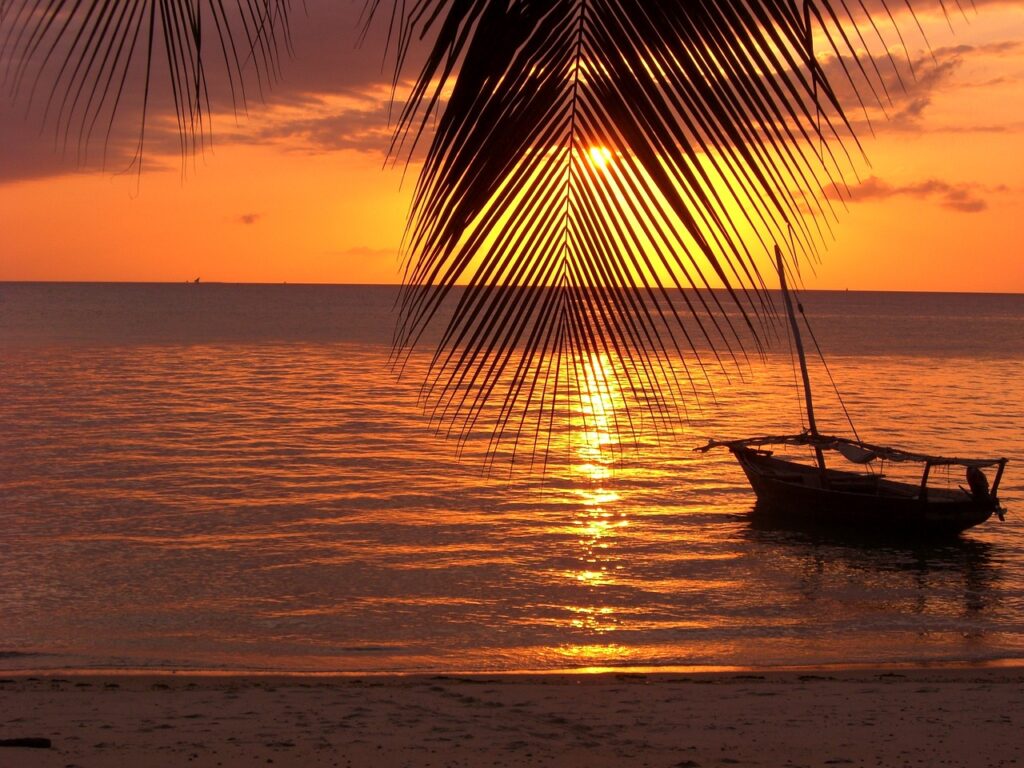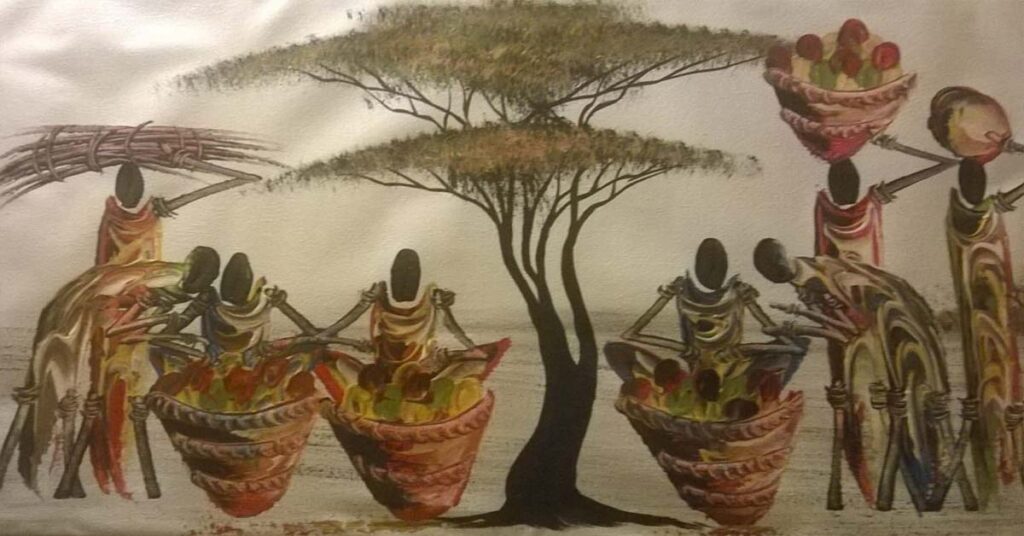


Sulla costa sud-orientale di Unguja, l’isola principale dell’arcipelago di Zanzibar, si trova Jambiani, un villaggio che profuma di mare e tradizione. Qui la vita quotidiana è un intreccio di attività semplici ma affascinanti: i pescatori rientrano con le loro barche a vela al tramonto, le donne raccolgono le alghe che diventano prodotti preziosi, mentre i giovani si divertono con acrobazie sulla spiaggia.

Il saluto “Jambo! Jambo!” accompagna ogni incontro, un invito caloroso a sentirsi parte di una comunità che accoglie con il sorriso chi arriva per scoprire questo angolo di paradiso.
Un turismo diverso
Jambiani non è la meta del turismo di massa. Qui non troverai grandi resort o locali affollati, ma un ritmo lento e genuino che invita a vivere l’isola in modo rispettoso ed ecosostenibile. La sua lunga spiaggia di sabbia bianca, bagnata da un mare che sfuma dall’azzurro al verde smeraldo, è solo l’inizio: la vera bellezza sta nella possibilità di conoscere la cultura locale e di imparare ad apprezzare la semplicità della vita quotidiana.
Le donne del mare: la Sponge Farm di Jambiani

Quando la marea si ritira e la spiaggia sembra allungarsi fino a sfiorare l’orizzonte, il villaggio di Jambiani si anima di colori e movimento. Piccoli gruppi di donne, avvolte nei loro kanga dai toni vivaci, avanzano verso l’acqua con secchi, maschere e reti, pronte a iniziare una giornata di lavoro speciale: sono le allevatrici di spugne, conosciute come sponge farmers.
Visitare la Sponge Farm significa comprendere la dedizione necessaria per allevare spugne di qualità. Le farmers trascorrono ore immerse nell’acqua fino al petto, sotto il sole cocente, pulendo boe e corde e mantenendo l’ambiente marino sicuro per la crescita delle spugne. Un processo lungo e delicato: ogni esemplare impiega dai 9 ai 12 mesi per maturare e, in questo lasso di tempo, le sfide da affrontare sono molteplici.
Passeggiando per il villaggio, capita di vedere le alghe stese ad asciugare su teli di stoffa colorata, al riparo dalla brezza marina. Una volta seccate, diventano la base per la produzione di saponi naturali e cosmetici artigianali, arricchiti con le spezie che hanno reso celebre Unguja come “l’isola delle spezie”: chiodi di garofano, cannella, zenzero e molte altre fragranze tropicali.
In passato le alghe venivano utilizzate anche in cucina, ma questa pratica è ormai rara. Oggi i loro derivati sono destinati soprattutto ai turisti e si trovano nei negozi degli hotel o nei Farmers’ Market locali. Chi cerca un’esperienza più autentica può acquistarli direttamente dalle donne del villaggio: confezionati in involucri semplici di fibra di cocco, con etichette scritte a mano che indicano la spezia utilizzata, racchiudono tutta la genuinità di una tradizione che resiste nel tempo.
Le spiagge di Jambiani sono tra le più belle dell’isola: lunghe distese di sabbia bianca, acqua turchese e una barriera corallina che offre scenari mozzafiato per snorkeling e immersioni. Durante la bassa marea è possibile camminare per centinaia di metri nel fondale, scoprendo stelle marine e conchiglie.
La Foresta di Muyuni: il cuore verde vicino a Jambiani
A pochi passi dalle lunghe distese di sabbia bianca di Jambiani, si estende un’oasi naturale che sembra appartenere a un altro mondo: la Foresta di Muyuni. Questo polmone verde, che si snoda per oltre 5.000 ettari, è un intreccio di alberi sempreverdi, fitte boscaglie e mangrovie che raccontano la parte più selvaggia di Zanzibar.
Ancora oggi, la foresta rappresenta una preziosa fonte di legname per la comunità locale, ma l’abbattimento degli alberi è rigidamente regolato per preservare l’equilibrio di un ecosistema tanto fragile quanto vitale.
Un rifugio per specie rare
Muyuni ospita alcune delle specie più iconiche e rare dell’isola, tra cui i colobi rossi di Zanzibar, agili antilopi e numerose varietà di uccelli tropicali. Tuttavia, la sua gemma più preziosa è la micrococca scariosa, una pianta endemica e oggi a rischio di estinzione, che trova in questa foresta il suo ultimo rifugio sicuro.
Esplorare la Foresta di Muyuni significa immergersi in un ambiente incontaminato, dove la natura è protagonista assoluta. Un’esperienza che completa il fascino di Jambiani, regalando a chi la visita una prospettiva diversa sull’isola. Dunque Jambiani si rivela non solo come un posto per un vacanza da sogno… Puoi godere della sua biodiversità e dei paesaggi rigogliosi. Piccola, ma preziosa.
Cosa fare a Jambiani?
Passeggiata lungo il mare e magia delle maree
Una delle esperienze più affascinanti da vivere a Jambiani è una semplice passeggiata sul lungomare, dove il fenomeno delle maree trasforma il paesaggio in continuazione.
Durante la bassa marea, l’Oceano Indiano si ritira per centinaia di metri, lasciando emergere una distesa infinita di sabbia bianca e soffice, ancora umida e scintillante sotto il sole. Le acque turchesi si tingono di mille sfumature diverse, passando dall’azzurro pallido al verde smeraldo, in un gioco di colori che cambia con la luce del giorno.
Ogni passo lungo la spiaggia è una scoperta: conchiglie, stelle marine e piccoli pesci intrappolati nelle pozze naturali raccontano la vita nascosta del reef. E quando la marea risale, il mare torna a riprendersi la sua distesa, ridisegnando ancora una volta il paesaggio.
Snorkeling sulla barriera corallina a bordo dei dhow

A Jambiani, il mare non è solo un panorama da ammirare, ma un mondo da esplorare. Una delle esperienze più suggestive è salire a bordo dei dhow, le tradizionali imbarcazioni locali, e lasciarsi guidare dai pescatori verso la barriera corallina.
Per circa 10 dollari, durante le prime ore del mattino, quando la marea è bassa e le acque sono più tranquille, si parte per un breve viaggio sulle onde dell’Oceano Indiano. Il legno del dhow scricchiola dolcemente, mentre la brezza marina accompagna la navigazione fino ai punti migliori per fare snorkeling.
Qui, tra stelle marine, pesci tropicali e coralli dai mille colori, la vita sottomarina si mostra in tutta la sua bellezza. Anche chi non è un nuotatore esperto può godere di questa avventura, semplicemente lasciandosi cullare dall’acqua e dai giochi di luce che trasformano il mare in una tavolozza naturale di sfumature.
Jambiani è il luogo ideale per chi cerca un contatto autentico con la cultura zanzibarina.
E’ per chi vuole vivere un’esperienza di viaggio lontana dal turismo di massa, tra paesaggi paradisiaci e tradizioni senza tempo.
Ti abbiamo convinto?
Non esitare a contattarci per prenotare tutto quello di cui hai bisogno!
Telefono: +39 380 253 1425
E-mail: info@safariavventura.com