

Planning a safari in Tanzania or a vacation in Zanzibar mainly involves three key areas: health, documents, and insurance—which will also be mandatory on the mainland starting in 2026. In this guide, you’ll find what’s required, what’s recommended, and what you should discuss with your doctor before leaving. For information on theft, areas to avoid, and the political situation, we have a dedicated guide: Is Tanzania dangerous?
In a nutshell: What you need to get started
- Mandatory vaccines: None are required for travelers arriving from Italy. A yellow fever vaccine is required only if you are arriving from a high-risk country, even if your layover exceeds 12 hours.
- Recommended vaccines: Consult your doctor or the international vaccination clinic at your local health authority (ASL) 4–6 weeks before departure.
- Malaria: Present in most parts of the country; consult your doctor about preventive treatment, and always take precautions against mosquito bites.
- Passport: must be valid for at least 6 more months.
- Visa: required, $50, available online or upon arrival.
- Insurance: Local insurance is mandatory ($44), plus a private policy covering medical expenses and evacuation.
Vaccinations for Tanzania and Zanzibar
Mandatory vaccinations: only yellow fever, and only in certain cases
No vaccinations are required to enter Tanzania or Zanzibar from Italy. A yellow fever vaccination certificate is required for travelers 12 months of age and older if you are arriving from a high-risk country, if you have a layover of more than 12 hours, or if you leave the airport during your layover. Be aware of layovers in Kenya or Ethiopia, both of which are considered high-risk countries: a certificate is not required for a short layover, but it is required for a long one.
Recommended Vaccinations
They are not mandatory, but should be discussed with your doctor based on the length of your trip, the areas you will be visiting, and your vaccination history. The following are usually considered:
- hepatitis A and hepatitis B;
- typhoid fever;
- booster shots for diphtheria, tetanus, and pertussis, and measles for those who are not immune;
- rabies, for those who will come into contact with animals or spend extended periods of time in isolated areas.
Schedule an appointment at your local health authority’s (ASL) international vaccination clinic at least 4–6 weeks before your departure: some vaccines require multiple doses.
Malaria in Tanzania and Zanzibar
Malaria is the most serious disease to be aware of. It is present in much of Tanzania at elevations below approximately 1,800 meters, especially near the coast, and therefore also in many national parks. In Zanzibar, the incidence is low, but not zero.
You should discuss malaria prophylaxis with your doctor: there are several medications available, each with different dosing regimens and contraindications, and the choice depends on your itinerary and your health. Whatever your doctor decides, protecting yourself from mosquito bites remains your first line of defense:
- apply insect repellent to exposed skin, especially from sunset to sunrise;
- Long sleeves and long pants in the evening, preferably treated with a permethrin-based fabric insecticide;
- A mosquito net over the bed, if the room does not have screened windows.
If, upon your return—even several weeks later—you have a fever, see a doctor immediately and tell him or her that you have been in Tanzania.
Dengue
Mosquitoes also transmit dengue fever, which is present in Zanzibar as well. There is no medication to prevent it; the same precautions against mosquito bites apply.
Other Health Precautions
- Water and food: Drink only water from sealed bottles, avoid ice and raw foods, and wash your hands often.
- Lakes and rivers: Do not swim in freshwater; schistosomiasis, a parasitic infection, is present in many areas.
- High altitude: Trekking on Kilimanjaro or Mount Meru requires a doctor’s clearance; there are no oxygen tanks or a fully equipped first-aid station on Kilimanjaro, so it’s important to choose an itinerary with enough days for acclimatization.
- Diving: The country’s only hyperbaric chamber is in Zanzibar.
- Healthcare facilities: Outside the major cities, they are very limited.
Mandatory Insurance and Health Insurance
Local insurance is required to enter the country, even if you already have a travel insurance policy:
- Zanzibar: effective October 1, 2024, issued by the Zanzibar Insurance Corporation (ZIC), available at inbound.visitzanzibar.go.tz;
- Mainland Tanzania: Effective October 1, 2026, issued by the National Insurance Corporation (NIC), available at inbound.nicinsurance.co.tz.
It costs $44 per person and is valid for up to 92 days. You purchase it based on your point of entry: if you land at Kilimanjaro or Dar es Salaam, you buy the NIC; if you land in Zanzibar, you buy the ZIC. If your trip includes both, check before departure to see if a single visa covers everything. Buy it only on official websites and, if possible, before you leave.
The mandatory insurance policy covers only emergencies, and some hospitals have refused to admit patients who had only that coverage. Therefore, you also need private insurance with adequate coverage limits, as well as repatriation and air evacuation. Our trips include AMREF Flying Doctors coverage for medical evacuation during the safari.
Passport and Visa
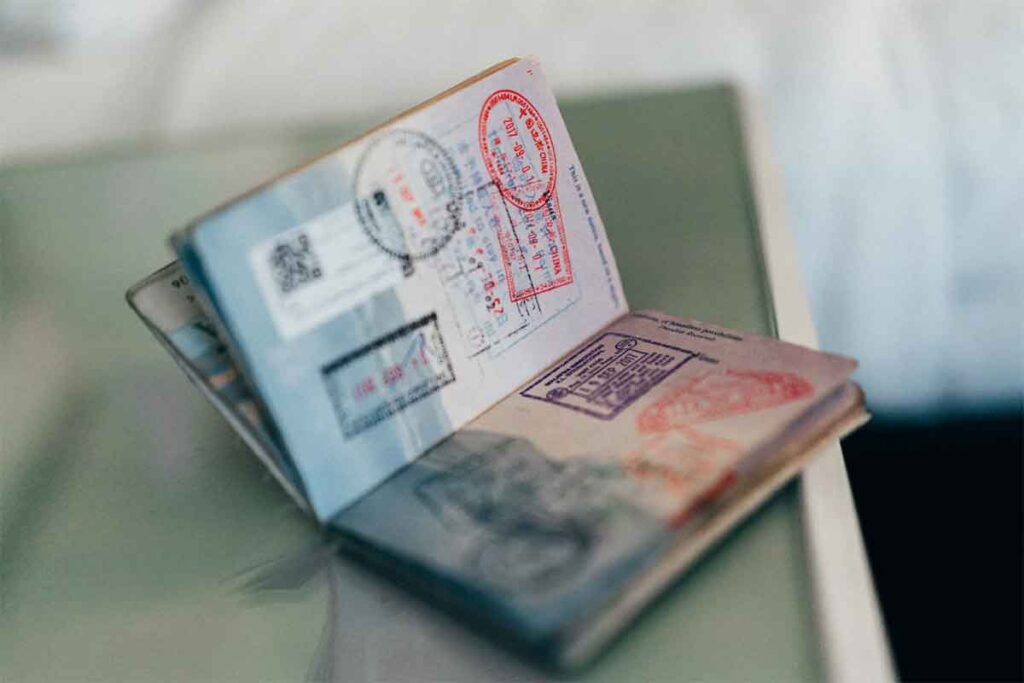
- Passport: Must be valid for at least 6 months upon entry.
- Tourist visa: required; costs $50 for a single entry. It can be applied for online at the official portal visa.immigration.go.tz at least 10 days before departure, or upon arrival at Kilimanjaro, Dar es Salaam, and Zanzibar airports, with payment in dollars or by credit card.
- Beware of unofficial websites: many websites imitate the government portal and charge fees; visas issued by non-government websites are not valid.
Costs, a step-by-step guide, and special cases are covered in our guide to visas for Tanzania and Zanzibar.
What to Bring for Your Health
- a sufficient supply of personal medications, along with the prescription;
- antimalarial drugs, if prescribed by a doctor;
- insect repellent, sunscreen, and a small first-aid kit;
- international vaccination certificate, if required for yellow fever;
- copies of the documents and the insurance policy, even on your phone.
For clothing and gear, download the checklist from our Tanzania trips page.
Practical Information: Flights, Currency, and Time Zone
- Flights: From July through October, Neos operates one flight per week from Milan Malpensa to Kilimanjaro, with a connecting flight to Zanzibar. During other times of the year, flights include a layover, for example in Doha, Dubai, Istanbul, or Addis Ababa. See the guide to flights from Italy to Tanzania for details.
- Currency: The Tanzanian shilling (TZS) is used; in April 2026, one euro was worth approximately 2,930 shillings. Euros and dollars can be exchanged at banks and currency exchange offices; credit cards are accepted mainly at hotels and restaurants, often with a 5–10% fee.
- Time zone: Tanzania is 2 hours ahead of Italy, and 1 hour ahead when Italy is on daylight saving time.
To choose when to travel, read about the best time to visit Tanzania.
Frequently Asked Questions
What vaccinations are required to travel to Tanzania?
In Italy, no vaccines are required. The yellow fever vaccine is only required if you are arriving from a high-risk country or have a layover of more than 12 hours. Vaccinations for hepatitis A and B, typhoid fever, and a tetanus booster should be discussed with your doctor.
Are vaccines needed for Zanzibar?
The same rules apply as in mainland Tanzania: no mandatory vaccinations when traveling from Italy; a yellow fever vaccination is required only if you are arriving from or making a long layover in a high-risk country.
Is there malaria in Zanzibar?
Yes, but the incidence is low. You should consult your doctor about preventive measures; insect repellent, long sleeves and pants in the evening, and a mosquito net are still necessary, even to protect against dengue.
Is insurance required for Tanzania?
Yes: in Zanzibar starting October 1, 2024, and in mainland Tanzania starting October 1, 2026. It costs $44 and covers only emergencies, so you’ll also need private insurance.
How much does a visa for Tanzania cost?
A single-entry tourist visa costs $50. You can apply for it online through the official website or upon arrival at the airport.